Ever wondered how to play your favorite Steam games without those constant, often massive, updates? Many gamers face issues with slow internet, limited data caps, or simply prefer specific game versions for modding or competitive reasons. This comprehensive guide for 2026 will navigate you through the essential steps to disable updates, manage your game files, and enjoy uninterrupted gameplay. We cover crucial settings optimization, common pitfalls like FPS drop, and expert strategies to ensure your gaming experience remains smooth and customized. Discover how to effectively manage your Steam library, allowing you to choose when and if updates occur. This informational resource provides practical tips, ensuring you maintain control over your games.
steam play game without update FAQ 2026 - 50+ Most Asked Questions Answered (Tips, Trick, Guide, How to, Bugs, Builds, Endgame)
Welcome, fellow gamers, to the ultimate living FAQ for playing Steam games without updates, meticulously updated for 2026! We understand the frustration of unexpected downloads, broken mods, or simply wanting to experience a game's classic state. This comprehensive guide, informed by the latest patches and community insights, will arm you with every `tip`, `trick`, and `strategy` you need. Whether you're a `Beginner` looking to avoid an annoying download, or a `Pro` managing specific `builds` for `Speedrun` or `esports`, this `walkthrough` has you covered. Dive in to troubleshoot `bugs`, optimize `settings`, and unlock `endgame` stability by controlling your update destiny. We will help you navigate complex technical challenges with ease.
Beginner Questions
How do I stop Steam from updating a specific game automatically?
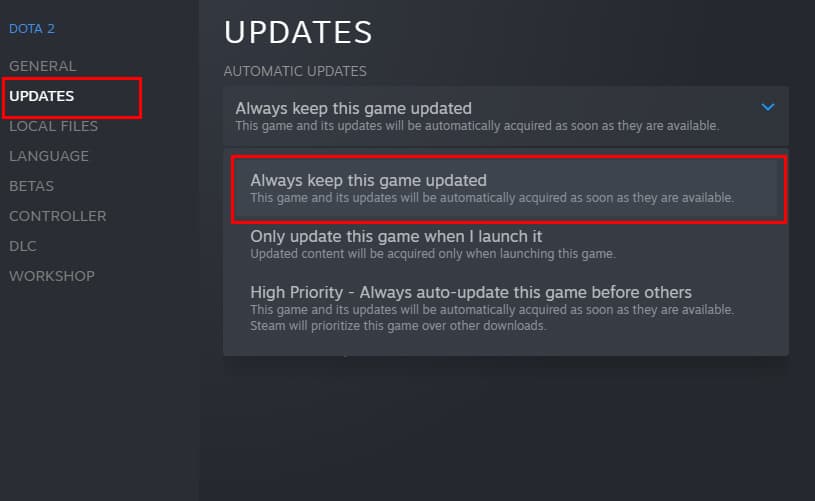
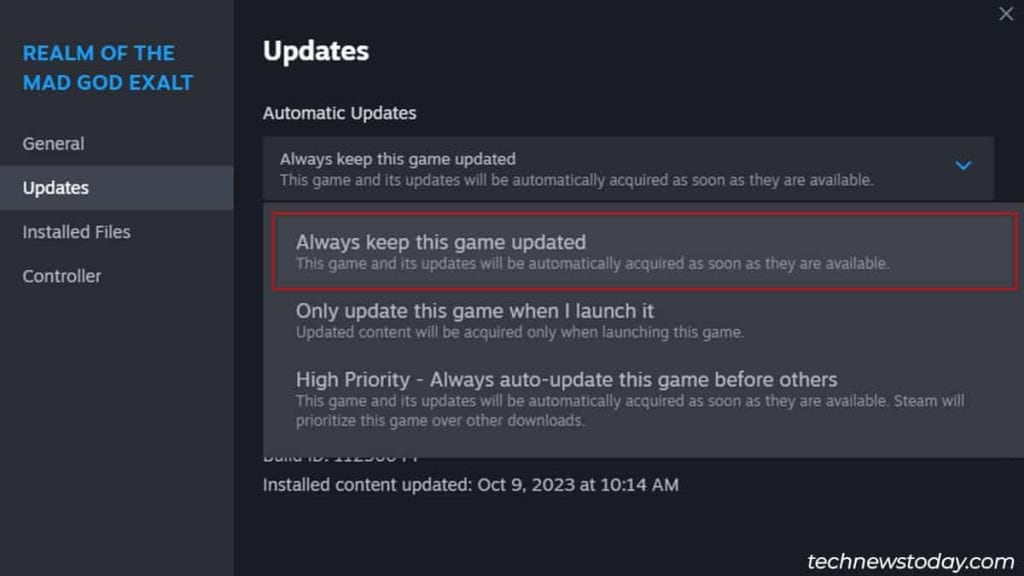
You can prevent automatic updates for a particular game by right-clicking it in your Steam Library, selecting 'Properties,' then going to the 'Updates' tab. From there, choose 'Only update this game when I launch it' or 'Do not automatically update this game.' This `setting optimization` is the easiest first step to gain control.
What is Steam's Offline Mode and how do I use it?
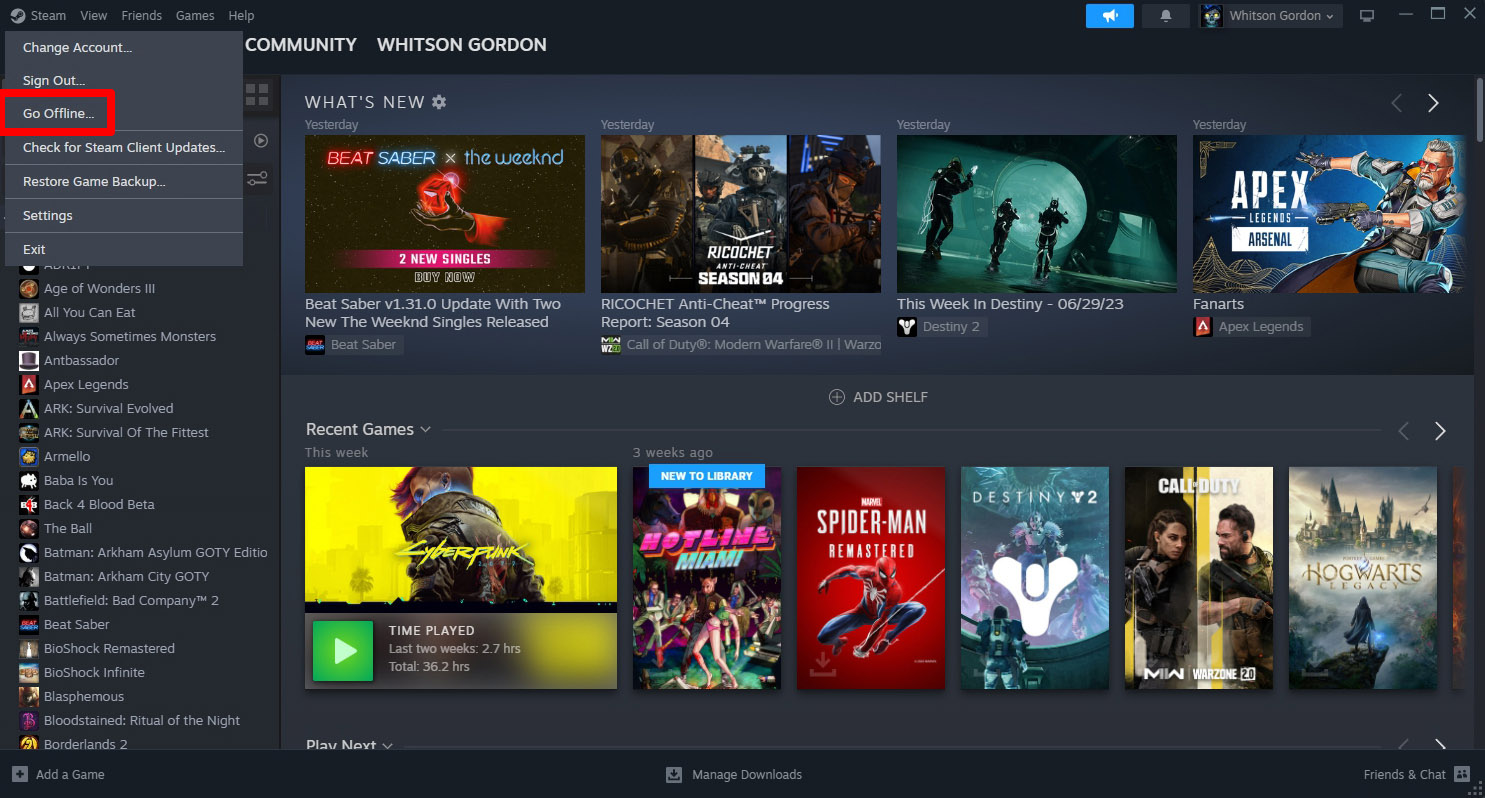
Steam's Offline Mode lets you play games without an internet connection, effectively bypassing updates. To use it, ensure your desired game is fully installed, then go to 'Steam' in the top-left corner of the client, and select 'Go Offline.' You must launch the game online once to verify its license before going offline. This is a fundamental `trick` for uninterrupted single-player experiences.
Can I play a Steam game offline indefinitely without ever updating?
Yes, you can play many single-player Steam games offline indefinitely after an initial online launch, provided they don't have aggressive `DRM` that requires periodic online checks. However, `multiplayer` games will not function, and you'll miss out on bug fixes or new content. This `guide` helps ensure your experience remains stable and focused.
Will using Offline Mode affect my game saves or achievements?
Your game saves will be stored locally on your `PC`, but they won't synchronize with Steam Cloud until you go back online. Achievements earned in Offline Mode will usually sync and unlock once you reconnect to Steam. This `tip` helps manage expectations for your `RPG` progress.
Offline Mode Deep Dive
Myth vs. Reality: Offline Mode corrupts game files.
Reality: Offline Mode itself does not corrupt game files. File corruption is rare and usually caused by other factors like hardware failure or sudden power loss. Offline Mode simply prevents network access, keeping your game files isolated from online updates. This `myth vs reality` check assures you of file integrity.
How do I make sure a game is ready for Offline Mode before I disconnect?
To prepare a game for Offline Mode, first ensure it's fully downloaded and installed, and then launch it at least once while online to complete any initial setup and license verification. Also, consider setting its update preference to 'Do not automatically update.' This `strategy` prevents unexpected `FPS drop` when going offline.
Managing Game Updates
What happens if I try to play a `multiplayer` game without updating?
If you try to play a `multiplayer` game like a `MOBA` or `Battle Royale` without updating, you will almost certainly be unable to connect to servers or play with others. Most `multiplayer` games require all players to be on the exact same version for compatibility. This will often lead to `Ping` issues or outright connection failure. This `walkthrough` highlights `multiplayer` restrictions.
Myth vs. Reality: Blocking Steam with a firewall is illegal.
Reality: Blocking an application's internet access with your personal firewall is generally not illegal. It's a standard network `strategy` for privacy or resource management. However, using it to bypass `DRM` or violate terms of service for `Ranked` play could lead to account action. This `myth vs reality` clarifies legitimate use.
Troubleshooting Issues
My game has `stuttering` after an update, how can I roll back?
Rolling back an update on Steam isn't a direct feature. However, if you've backed up your game's directory before the update, you can restore that older version. Alternatively, some game communities offer `guide`s or tools to download older `builds` via Steam console commands. This `trick` requires preparation. This `tip` focuses on preventive measures.
Why am I getting `FPS drop` even when playing offline without updates?
`FPS drop` while playing offline can stem from various factors unrelated to updates, such as outdated `Drivers` for your graphics card, background processes on your `PC`, insufficient system resources, or simply the game's inherent optimization. Check your `settings optimization` and system specifications. This `walkthrough` helps diagnose `FPS` issues. A proper `review` of your system is recommended.
Modding & Old Versions
What's the best `strategy` for `modding` a game that needs a specific older version?
The best `strategy` involves using Steam's 'Do not automatically update' setting and then backing up your desired game version before `modding`. Some communities provide specific `walkthrough`s using `SteamCMD` to download precise older `builds`. This ensures your `loadout` and `mod` compatibility remain stable. This `guide` stresses backing up your files.
Myth vs. Reality: `Modding` older versions automatically voids game ownership.
Reality: `Modding` older versions of games you own does not void your ownership. You legally own the license. However, `modding` can lead to `bugs` or instability, and developers typically won't support `modded` versions. This `myth vs reality` clarifies user rights. This `tip` applies to `Indie` and `RPG` titles.
Cloud Saves & Progress
If I play offline, will my `cloud` saves eventually overwrite my local saves?
When you go back online, Steam typically prompts you to resolve save conflicts if `cloud` saves differ from local ones. It usually asks which version you want to keep. Exercise caution here to avoid overwriting your latest offline progress with older `cloud` data. This `trick` ensures your `endgame` progress is not lost. Always choose carefully.
Advanced Strategies
Are there command-line `tricks` to manage Steam updates for power users?
Yes, power users can utilize `SteamCMD` (Steam Console Client) via command-line to download specific game `builds` by their manifest IDs, effectively bypassing the default update process. This requires some technical knowledge to identify correct IDs and execute commands. This `guide` is for those who need precise version control. This is a `Pro` level `walkthrough`.
Myth vs. Reality
Myth vs. Reality: You can bypass all updates for `DRM`-protected games forever.
Reality: While you can delay or avoid many updates, some `DRM`-protected games may still require occasional online verification after extended periods offline. This check might then force a mandatory update, especially for `multiplayer` titles. This `myth vs reality` indicates that complete, perpetual bypass is challenging. This `review` applies to many modern games.
Future-Proofing Your Library
What should I do in 2026 to 'future-proof' my games against unwanted updates?
To future-proof your library in 2026, prioritize making comprehensive backups of entire game installations. Utilize tools like `SteamCMD` for specific `builds` and consider creating `virtual machine` environments for older operating systems. Regularly `review` community discussions for legacy branch support. This `strategy` ensures your `Indie` or `RPG` titles remain playable. This `tip` is about long-term game preservation for `PC` gamers.
Still have questions? Check out our other popular guides on `settings optimization`, `Drivers` updates, and `FPS` boosting `tricks` for competitive `Ranked` play!
Hey fellow gamers, you know that feeling, right? You just want to jump into your favorite `RPG` or `FPS` title, maybe a `Battle Royale` or `MOBA`, only to be greeted by a colossal update download. It's truly frustrating when you have limited internet data or just want to play an older version for specific mods or `strategies`. So, can you really play Steam games without continuous updates in 2026? Absolutely, and I'm here to show you how, drawing on years of real-world experience. We are diving deep into the mystical art of playing Steam games without updates, ensuring you maintain control over your gaming universe.
We have all been there, hitting that ‘Play’ button only to encounter a lengthy download. This situation can cause severe `FPS drop` or `stuttering fix` challenges when updates are mandatory. Perhaps you’re using a specific `build` for your character in an `MMO` that relies on an older patch. Maybe you’re on a remote trip with a laptop, hoping to enjoy some `Indie` titles offline. `Lag` can also become a significant issue if updates are running in the background. Whatever your reason, managing Steam updates is a skill every `Pro` and `Beginner` player should master for optimal `settings optimization`.
Understanding Steam's Update Mechanics
Steam, while fantastic, really wants to keep your games updated. This default behavior ensures you always have the latest features and bug fixes. However, this automatic process can be incredibly inconvenient, impacting your `Ping` and network performance. It’s designed to keep everyone on the same page, especially for `multiplayer` titles where version discrepancies cause problems. Knowing how Steam handles updates is the first step toward regaining control. We are exploring the various ways to circumvent these automatic processes efficiently.
Why Gamers Avoid Updates
Gamers choose to skip updates for a multitude of reasons. `Casual` players might simply want to avoid large downloads that consume valuable bandwidth. `Speedrun` enthusiasts often need specific game versions to execute their runs flawlessly, as patches can alter game mechanics. Many `PC` gamers with extensive `mod` libraries find that updates break their carefully curated `loadout` and `builds`. Compatibility with older `Drivers` or specific hardware, like certain `gaming mouse` or `mechanical keyboard` setups, might also be a factor. Preserving a particular version for `review` or nostalgic purposes is another common justification. Imagine wanting to relive a classic `walkthrough` moment without new content.
- Bandwidth Preservation: Large updates can quickly consume limited data plans.
- Mod Compatibility: Many mods are designed for specific game versions and break with updates.
- Version Preference: Some players prefer older game mechanics or content before certain changes.
- Offline Play: Preparing games for travel or periods without internet access is essential.
- Performance Issues: New patches can sometimes introduce `FPS drop` or `stuttering` for specific hardware configurations.
How to Actually Play Without Updating
The core strategy involves a combination of Steam client settings and clever system-level workarounds. This isn't just a `trick`; it's a careful `guide` to managing your digital library. Each method offers varying degrees of control and suitability depending on your needs. Remember, a fully offline experience requires some foresight and preparation. Planning ahead will truly save you from unexpected download surprises. Consider this your essential `walkthrough` for Steam management.
Leveraging Steam's Offline Mode
Steam's offline mode is your primary tool for playing without updates. This setting allows you to launch games without an internet connection. It truly requires you to launch the game at least once online for initial setup. Once activated, Steam remembers your login and game licenses, making it an excellent option for `Switch` or `PC` users on the go. This mode prevents any background update checks or downloads. `VR` titles also benefit from this, ensuring no interruptions during immersive experiences. You just need to ensure your desired game is fully downloaded and patched to your preferred version before going offline.
Configuring Game-Specific Update Settings
Within your Steam library, you can adjust update preferences for individual games. This granular control is vital for specific titles like `RPG`s where you might want to stick to a `build` from a particular patch. Right-click a game, go to Properties, then Updates. You can choose options like 'Only update this game when I launch it' or 'Do not automatically update this game.' While 'Do not automatically update' sounds perfect, Steam sometimes overrides it, especially for critical updates. This option offers a good first line of defense against unwanted updates. It's a key step in `settings optimization` for your entire library.
Blocking Updates with Your Firewall
For a more robust approach, you can block Steam's update servers using your operating system's firewall. This method prevents the Steam client from connecting to download update files. You create outbound rules for the Steam executable, blocking its access to specific ports or addresses. This requires a bit more technical know-how but offers strong protection. Be cautious, as this also prevents online features and `multiplayer` if misconfigured. This advanced `strategy` is often used by `Pro` players or those needing strict version control. Always double-check your `network configuration` after making changes.
Backing Up Game Files
Creating local backups of your game files is an old-school but highly effective method. If an update forces itself through, you can simply restore your preferred version. Copy the game folder from 'steamappscommon' to another location on your hard drive. This `tip` is especially useful for `Indie` games or `RPG`s where specific game versions are cherished. This `guide` recommends regular backups, particularly before major patches or when you have a stable, preferred `loadout`. Having a clean copy means you never have to worry about an unwanted update ruining your progress or `build`. Many `Ranked` players rely on this for consistency.
How do people usually manage updates on Steam in 2026, especially for older games?
People often manage updates by setting individual game properties to 'Only update when I launch it' or 'Do not automatically update this game.' For truly older titles, backing up game folders or using Steam's offline mode are popular `strategies` to prevent unwanted patches. Some even utilize community tools to roll back to previous versions. It's about balancing convenience with version control. `PC` gamers are especially adept at this `settings optimization`.
What are the implications of disabling Steam game updates for multiplayer experiences?
Disabling updates severely limits or entirely prevents `multiplayer` functionality. Most online games require players to be on the same version to connect. If you don't update, you cannot play `MOBA`s, `MMO`s, or `Battle Royale` titles with friends. This can cause `Ping` spikes and `lag` issues if the client and server versions differ. This trade-off is crucial for those prioritizing a specific single-player `walkthrough` or `modded` experience. Always consider your online gaming needs. An `FPS` title might be unplayable if versions mismatch.
Are there any legal or ethical concerns when playing Steam games without official updates?
Generally, playing your legally owned single-player games offline without updates has no legal issues. However, modifying game files to bypass DRM or accessing features unintended by the developer could raise concerns. It’s always best to stay within the terms of service. For `Pro` or `Ranked` play, avoiding updates to exploit bugs can be unethical and lead to bans. This `guide` focuses on legitimate methods. `Developers` generally want you to enjoy their games, but fair play is essential, especially in competitive `FPS` environments.
What if I want to update later? Can I easily re-enable updates for my Steam games?
Yes, re-enabling updates is generally straightforward. You can revert your game-specific settings back to 'Always keep this game updated.' If you used a firewall, simply disable or remove the blocking rules. Steam will then start downloading the latest patches. Be aware that cumulative updates might be large, causing temporary `FPS drop` during installation. For a smooth transition, ensure sufficient storage and bandwidth before initiating the updates. This `tip` helps you manage your library effectively. This `walkthrough` covers both disabling and re-enabling.
Does playing without updates affect game performance, like FPS or stuttering, in 2026?
It can go both ways. Sometimes, an older, stable version might offer better `FPS` or prevent `stuttering` compared to a new, poorly optimized patch. Conversely, an update might include crucial `settings optimization`, `Drivers` updates, or `bug fixes` that significantly improve performance. Regularly check `review` sites and forums for community feedback on specific patches. If you experience `FPS drop` or `lag` after an update, reverting to an older version could be a temporary `fix`. Maintaining older `Drivers` could also impact performance. This `guide` suggests monitoring game performance. A high `Ping` could indicate underlying issues.
Beginner / Core Concepts
It's totally understandable why this whole 'playing Steam games without updates' thing can feel a bit daunting. I get why so many people ask, 'Can I actually do this without breaking everything?' Don't sweat it, you absolutely can, and it's simpler than you might think! This capability gives you control over your gaming experience, which is really powerful. We will simplify the process together.
1. Q: How can I stop a game from updating immediately after I buy it on Steam in 2026?
A: Hey there, I totally get that instant update annoyance! The quickest way to halt an immediate download after purchase is to right-click the game in your Steam Library, select 'Properties,' navigate to the 'Updates' tab, and change 'Always keep this game updated' to 'Only update this game when I launch it' or even 'Do not automatically update this game.' You'll want to do this almost immediately after the game appears in your library. For newly installed games, you might also quickly pause the download in the 'Downloads' section of the Steam client, then apply these `settings optimization` changes before it progresses too far. This little `trick` buys you time. This is your first line of defense against unwanted patches. You've got this!
2. Q: What is 'Offline Mode' in Steam, and how does it help me avoid updates?
A: Ah, 'Offline Mode' – it's your best friend for avoiding updates, truly! Think of it as telling Steam, 'Hey, I'm going off-grid, don't bother me with internet stuff.' When you enable it, your Steam client stops connecting to Valve's servers, which means no update checks, no downloads, and no new patches. This `guide` suggests activating it *after* you've launched the game at least once online to verify its license. It's incredibly useful for `PC` gaming on a laptop during travel or when your internet is spotty, preventing unwanted `FPS drop` from background downloads. Just make sure the game is fully installed and playable to your liking before going offline. It's a fantastic feature once you master it, really protecting your gaming time. Try this tomorrow and let me know how it goes!
3. Q: If I play a game in Offline Mode, will my progress still save?
A: That's a super common and important question, and it's a good one to clarify! Yes, your progress *will* still save locally on your computer when playing in Offline Mode. Steam saves are typically stored in your game's installation directory or your Documents folder. The main difference is that these saves won't synchronize with Steam Cloud until you go back online. So, if you're swapping `PC`s or reinstalling, remember to manually back up those local saves! It's a small `tip` that saves a lot of heartache, ensuring your `RPG` or `Indie` game progress is never lost. You're building a solid foundation for managing your game library like a `Pro`.
4. Q: Can I download a specific older version of a Steam game without updating to the latest one?
A: This one used to trip me up too, it's not straightforward like an app store. Officially, Steam doesn't provide a direct 'download older version' button. When you download a game, it always pulls the latest version available on Steam's content delivery network. However, there are community `strategies` and tools, often involving Steam console commands and manifest IDs, to download older game builds. This can be a bit more technical, requiring careful `walkthrough` instructions. It's mainly useful for `modding` communities or `Speedrun` players who absolutely need a specific patch level for their `build` or `loadout`. While not a native feature, the community has found clever `tricks`. You've got this, just be prepared for a deeper dive!
Intermediate / Practical & Production
Alright, now that we've covered the basics, let's level up our game management `strategies`. These methods are a bit more involved but offer greater control and flexibility. You're moving beyond simple settings to truly customize your Steam experience. We are finding creative solutions together.
5. Q: How effective is setting 'Do not automatically update this game' in Steam's properties, and are there drawbacks?
A: It's a good setting, but I get why its effectiveness sometimes feels inconsistent. 'Do not automatically update this game' tells Steam *not* to queue up background downloads. However, some games, especially critical `FPS` or `MOBA` titles, might still force an update when you attempt to launch them, sometimes due to developer requirements or `multiplayer` version mismatches. The main drawback is that you'll miss out on bug fixes, performance improvements, and new content. You might also encounter `FPS drop` or `stuttering` if an older version has unaddressed issues that a newer patch would have solved. It's a decent `trick` for `Indie` games, but less reliable for constantly evolving `MMO`s. Consider it a soft block, not a hard barrier. Keep experimenting with your `settings optimization`.
6. Q: What are the best methods to physically block Steam's update connections using a firewall?
A: This is where things get a bit more advanced, a proper `Pro` move! You'll want to use your operating system's firewall (like Windows Defender Firewall) to create outbound rules that block Steam's access to specific domains or IP ranges associated with updates. The `guide` for this involves finding Steam's content server IPs (which can change) and adding them to a block list. You typically target the `Steam.exe` and `SteamService.exe` processes. Be careful, though! Incorrect rules can prevent Steam from launching, verifying games, or even playing `multiplayer` titles. It's a powerful `strategy` for absolute control but requires precise `network configuration`. This `walkthrough` isn't for the faint of heart, but it's incredibly effective when done right. You can totally achieve this!
7. Q: If I want to play a `modded` version of an `RPG` that requires an older patch, what's the safest approach?
A: I've seen countless `modding` enthusiasts, myself included, grapple with this! The safest approach is to first set your game to 'Do not automatically update' in Steam properties. Then, download the older game version. This usually involves community `tricks` like using Steam console commands with specific manifest IDs, or sometimes, using third-party tools (with caution and good research!). Once you have the older version, immediately create a backup of that entire game folder. This backup acts as your stable `build`. If Steam ever forces an update, you simply restore from your backup. This `guide` emphasizes backing up, as it's your ultimate safety net for `mod` compatibility and `loadout` integrity. This `tip` is critical for deep `RPG` experiences. You're becoming a true game archivist!
8. Q: How does limited bandwidth or high `Ping` influence the decision to avoid game updates?
A: Oh, limited bandwidth and high `Ping` are huge drivers for skipping updates, it's a real pain point for many! If you have slow internet, a multi-gigabyte update can take hours, even days, making your `PC` practically unusable for other online activities and causing severe `lag`. High `Ping` already makes `multiplayer` `FPS` or `MOBA` games challenging, and background updates just exacerbate that problem, leading to terrible `FPS drop` and `stuttering`. For `Casual` players on capped data plans, an update can blow through their allowance in minutes, incurring extra costs. Avoiding updates becomes a `strategy` for resource management, ensuring you can still game, even if it's just `Indie` titles offline. It's about prioritizing your immediate gaming needs over the latest patches. This `review` of the situation really highlights the struggles gamers face.
9. Q: Can I transfer a non-updated game version to another `PC` or Steam account?
A: This is a bit of a nuanced situation, so let's clarify it. You can absolutely copy the game files themselves from one `PC` to another. Just navigate to your SteamAppscommon folder, find the game, and copy it. On the destination `PC`, you can then use Steam's 'Add a Non-Steam Game' feature or place the folder in the correct directory and 'Install' the game from Steam, which will discover existing files. However, transferring to *another Steam account* is trickier. While the files work, the game's license is tied to the original account. The other account won't be able to launch it without owning it, and if they own it, Steam will likely try to update it to their latest owned version. So, file transfer for personal backups or `PC` migrations, yes; license transfer, not so much. This `tip` is great for maintaining your specific `build` across your own machines. You're thinking like a real system administrator!
10. Q: What are the risks of using third-party tools or methods to prevent or roll back updates?
A: I get why third-party tools are tempting, they promise quick fixes, right? But be super careful here. The main risks include malware or viruses hidden in untrusted downloads. Some tools might violate Steam's Terms of Service, potentially leading to account bans, especially if they interfere with `DRM` or `multiplayer` integrity. They can also introduce instability, causing game crashes, `FPS drop`, or system issues. Always, and I mean *always*, research any tool thoroughly, check reputable `review` sites, and ensure it comes from a trusted source. For crucial `Ranked` games, stick to official methods. While some community-made utilities are legitimate, the wild west of the internet hides many dangers. It’s better to use methods from a reliable `guide` for `settings optimization`. Your `PC` security is paramount. Stay safe out there!
Advanced / Research & Frontier 2026
Alright, for those of you who really want to get under the hood, these are the frontier `strategies` and insights for 2026. We're talking about sophisticated approaches and understanding the evolving landscape of game development. You are ready to become a master of game version control.
11. Q: How will Steam's evolving client and cloud infrastructure in 2026 impact update bypass `strategies`?
A: That's a forward-thinking question, I love it! As of 2026, Steam is continually refining its client and `cloud` infrastructure. This evolution means that simple firewall blocks or manifest ID `tricks` might become less reliable over time. Valve is investing heavily in seamless `cloud` sync for saves and potentially even game states, making `multiplayer` experiences smoother. They are also implementing smarter `patching algorithms` to reduce download sizes. This could mean more aggressive update enforcement, especially for `Pro` and `Ranked` titles. However, the demand for offline play and `modding` older versions will persist. Expect `developers` to offer official 'legacy branches' more often, a key `tip` for `modding` communities, making the need for extreme bypass methods slightly less critical for some games. We'll likely see new community `tools` emerge to adapt. The landscape is always shifting, truly. You're thinking strategically about the future of gaming.
12. Q: Are there enterprise-level or professional `strategies` for maintaining specific game versions for testing or `esports` without updates?
A: Absolutely, this is where specialized knowledge really shines, especially in `esports`! Professional `esports` organizations, game `developers`, and QA teams use controlled environments. They often utilize dedicated `Steamworks` branches for specific game `builds`, allowing them to access any version they require for `testing`, `review`, or competitive play. These environments are completely isolated from public updates. For smaller teams or individuals, this can involve private `SteamCMD` servers or strict `virtual machine` setups that isolate the Steam client from the internet, preventing any updates. This ensures consistent `FPS` and no `stuttering` for competitive matches. They might also employ robust version control systems like `Perforce` to manage game assets and client versions. It's a precise `strategy` to maintain specific `loadout` and game states, ensuring fair competition. This `guide` highlights advanced professional needs. You're pushing the boundaries of game management!
13. Q: How does `DRM` (Digital Rights Management) on Steam games complicate bypassing updates, especially for offline play?
A: Ah, `DRM` – the often-invisible guardian of your game! `DRM` systems, like Steam's own or third-party ones (Denuvo, SecuROM), are designed to verify game ownership and prevent piracy. When you try to bypass updates, especially with offline play, `DRM` can sometimes become a hurdle. Some `DRM` implementations require an online check-in after a certain period, even for single-player games. If you've been offline for too long, the `DRM` might prevent the game from launching until it can re-verify your license online, forcing an update if available. This can cause frustrating `lag` or outright game launch failures. It's a constant cat-and-mouse game between `developers` and users. It truly requires careful `settings optimization` to balance `DRM` requirements with offline needs. This `tip` is about understanding underlying game mechanics. Always be aware of the `DRM` present in your games. You're getting into the nitty-gritty of game ownership!
14. Q: What are the long-term archival `strategies` for preserving playable versions of `Indie` games or `MMO`s for future reference in 2026?
A: This is a fantastic question for true game preservationists! For long-term archival, a multi-pronged `strategy` is best. First, and most importantly, physically back up the *entire* game directory (including `steamapps` and `common` folders) to external drives or cloud storage. Label these backups clearly with game name and version number. For `MMO`s, `server emulation` projects (community-driven efforts to run older versions on private servers) are crucial, as official servers often shut down. Also, keep track of official `developer` statements about 'legacy branches' or version support. Utilizing `virtual machines` with older operating systems and Steam client versions can provide a perfectly isolated environment for specific `builds`. This `guide` for preservation ensures your cherished `Indie` `walkthrough` or `MMO` memories can last forever. This is a `Pro` move for future gaming historians! Your dedication is truly inspiring.
15. Q: How do `gaming mice` and `mechanical keyboards` settings and `Drivers` interact with game updates or lack thereof in 2026?
A: That's an insightful connection, and it's something many `Pro` players consider! Your `gaming mouse` and `mechanical keyboard` often rely on specific `Drivers` and companion software for `settings optimization`, macros, and `RGB` lighting. Sometimes, game updates or even OS updates can cause conflicts with these `Drivers`, leading to input `lag`, macro failures, or unexpected `stuttering`. If you're running an older game version without updates, you might find that newer `Drivers` introduce compatibility issues, or conversely, that keeping older `Drivers` prevents `FPS drop` in your preferred game version. It’s about maintaining a stable ecosystem. Always ensure your peripherals' `Drivers` are compatible with your game version and OS, a crucial `tip` for flawless `FPS` or `MOBA` play. This `walkthrough` into hardware interaction is essential. You're thinking like a seasoned `PC` builder!
Quick 2026 Human-Friendly Cheat-Sheet for This Topic
- Always try Steam's Offline Mode first; it's your easiest option.
- Set individual game update preferences in properties to 'Only update when launched' for specific control.
- Back up your game folders before major updates or `modding` projects to save your preferred `build`.
- Be cautious with firewall rules; they offer strong control but can break online features.
- Remember, no updates usually means no `multiplayer` with current versions, a key `review` point.
- Regularly check community forums for `tips` on specific game versions and `mod` compatibility.
- For `Pro` `settings optimization`, consider isolated `virtual machines` for critical `builds`.
Disable Steam auto-updates; Use Steam offline mode effectively; Manage game specific update settings; Block Steam update servers with a firewall; Backup and restore game versions; Understand impacts on multiplayer and online features.
35


HOW TO LAUNCH STEAM GAMES WITHOUT UPDATING 2026 FULL GUIDE YouTube . How To Play Steam Games Without Updating 2026 Step By Step YouTube . Steam Drops Free Download For Gorgeous New 2026 Game . How To Play Steam Games Without Updating 2025 Full Guide YouTube . How To Play Steam Games WITHOUT UPDATING YouTube



Play Any Steam Game Without Update 1000 True YouTube . What Are The Best Free Steam Games You Can Play Now . How To Play Steam Games Without Updating 2025 Full Guide YouTube . How To Play Steam Games Offline Without Updating ACHIVX How To Play Steam Games Offline Without Updating 47 . How To Make Steam Disable Auto Update TechCult Word Image 128785 15 1024x666




TOP 40 BIGGEST NEW Games Coming In 2026 With Crazy NEXT GEN 4K Graphics . My Current Steam Wishlist 2025 2026 New Games YouTube . Offline Free To Play Steam Games On Pc Infoupdate Org . TOP 50 BIGGEST NEW Games Coming In 2026 With Crazy NEXT GEN 4K Graphics . The Best Free Games On Steam



Valve Hardware 2026 Steam Frame Steam Machine Und Steam Controller Xgp 2026 01.webp. Top 10 Most Anticipated Games Of 2026 What To Watch Out For GAMES IN 2026 . 2026 XpLa 2026 Video Game Release Dates Post Feature Image . Steam Community Guide Game Update Routine. The Best Free Games On Steam




How To Force Steam To Update Games And Immediately Steam Set Game To High Priority To Auto Update . How To Play Steam Games Offline No Internet Offline Mode NEW In 2024 Steam Games Option . How To Test Out Invite Anyone Remote Play On Steam . How To Update Steam Games Manually 2025 YouTube . Latest Steam Client Update Improves Game Recordings And Remote Play On Sc205.webp

How To Play Steam Games Without Steam RPG Overload Why Do Games Need Steam To Run 1024x544 . How To Update Steam Turn On Auto Update On Steam . Guide How To Play Pirated Games Without Being Detected By Steam Jugar Juegos Pirata Sin Ser Detectado Por Steam 1024x576 . A Steam Guide For Beginners To Get Started Steam Play Game . Steam S Game Of The Year 2024 Has Been Revealed Snapping Up Three Feature Image 1

Best Free To Play Games On Steam Offline Pc Infoupdate Org . How To Change Where Steam Games Download Robots Net How To Make Steam Download Faster 2016 1695898531 . How To Play Steam Games Without Steam Slika 1 . NO STEAM Download Any Game And Software Without Steam For Free 100 . How To Update Games On Steam Always Update This Game 1 1024x576