Are you a dedicated Dota 2 player juggling work family and personal life but still striving to stay ahead in the ever-evolving meta Discover how to leverage Dota Steam Charts to gain a competitive edge without sacrificing precious time This comprehensive guide delves into player count trends concurrent users regional activity and strategic insights offering busy gamers like you the precise data needed to optimize playtime understand hero popularity predict meta shifts and enhance your overall experience We know US gamers average over 10 hours a week and value efficient skill building This article provides practical solutions to common gaming pain points from understanding game health to making smart in-game decisions ensuring your time investment in Dota 2 is always rewarding Explore the power of real-time data to truly master your game and community engagement.
Where can I see Dota 2 player stats?
You can see Dota 2 player statistics primarily on the official Steam Charts website or through reputable third-party aggregators like SteamDB and PlayTracker. These platforms provide real-time and historical data on concurrent players, peak player counts, and overall game activity.
Is Dota 2 losing players?
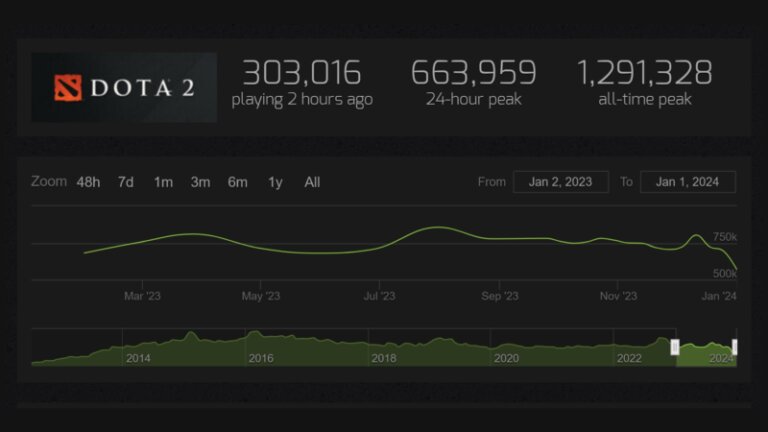
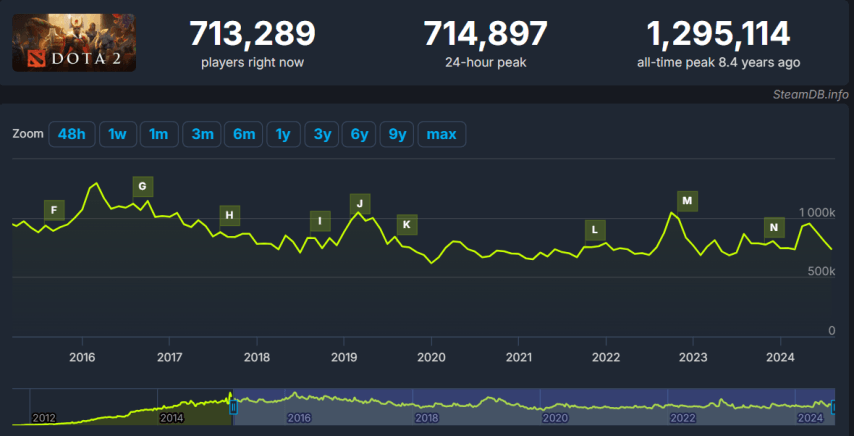
Dota 2, like many long-running online games, experiences fluctuations in its player base. While there have been periods of decline, recent trends show a stable and even slightly growing concurrent player count, often boosted by major esports events and content updates. It remains one of the most played games on Steam.
How many people play Dota 2 daily?
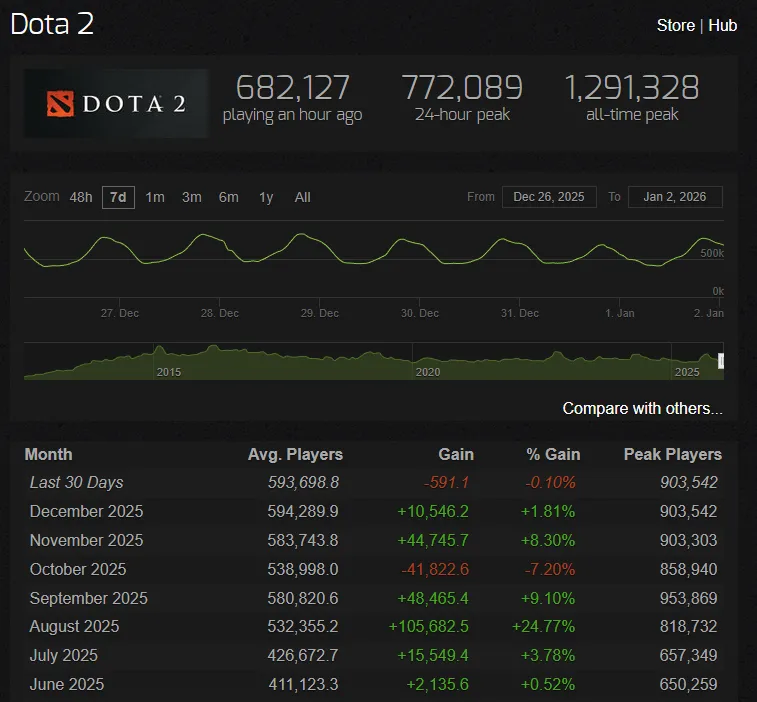
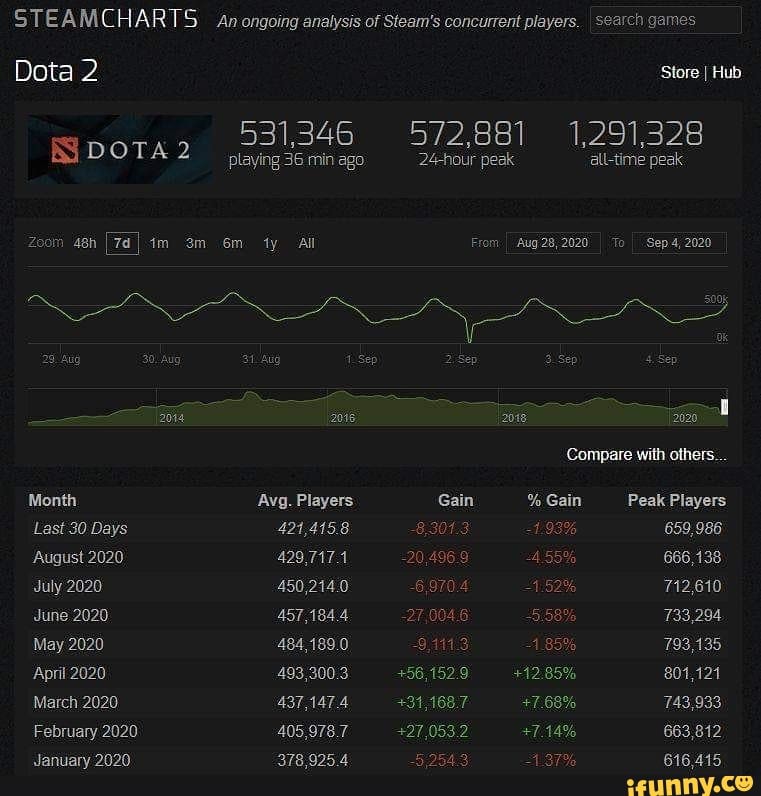
The daily concurrent player count for Dota 2 varies, typically ranging from 300,000 to over 700,000 players at peak times, depending on the time of year, recent updates, and ongoing esports tournaments. Check Steam Charts for the most current daily peaks.
What is the peak player count for Dota 2?
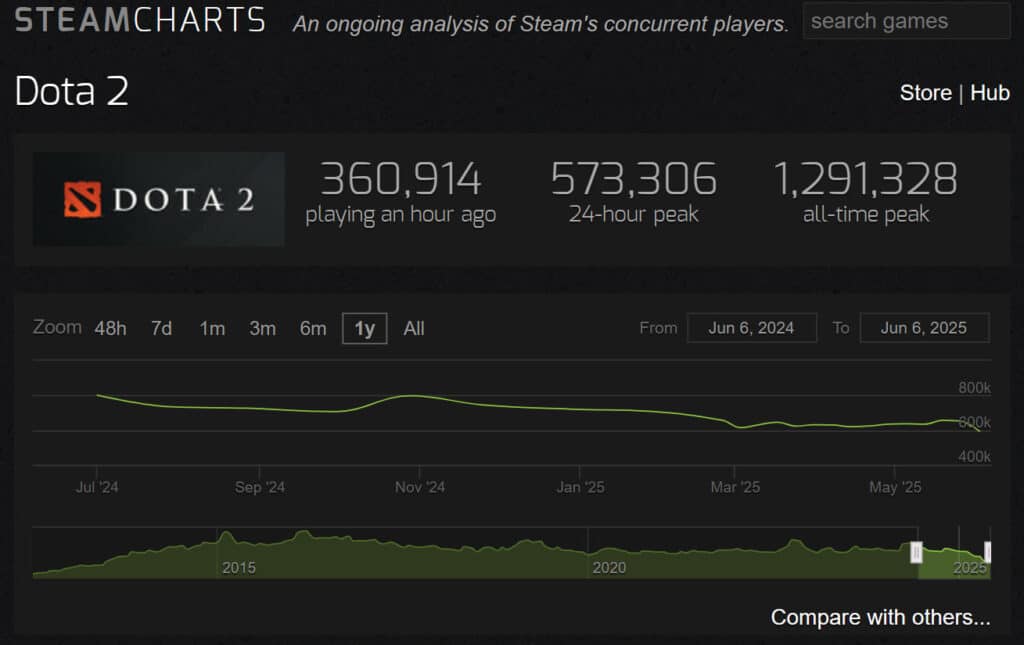
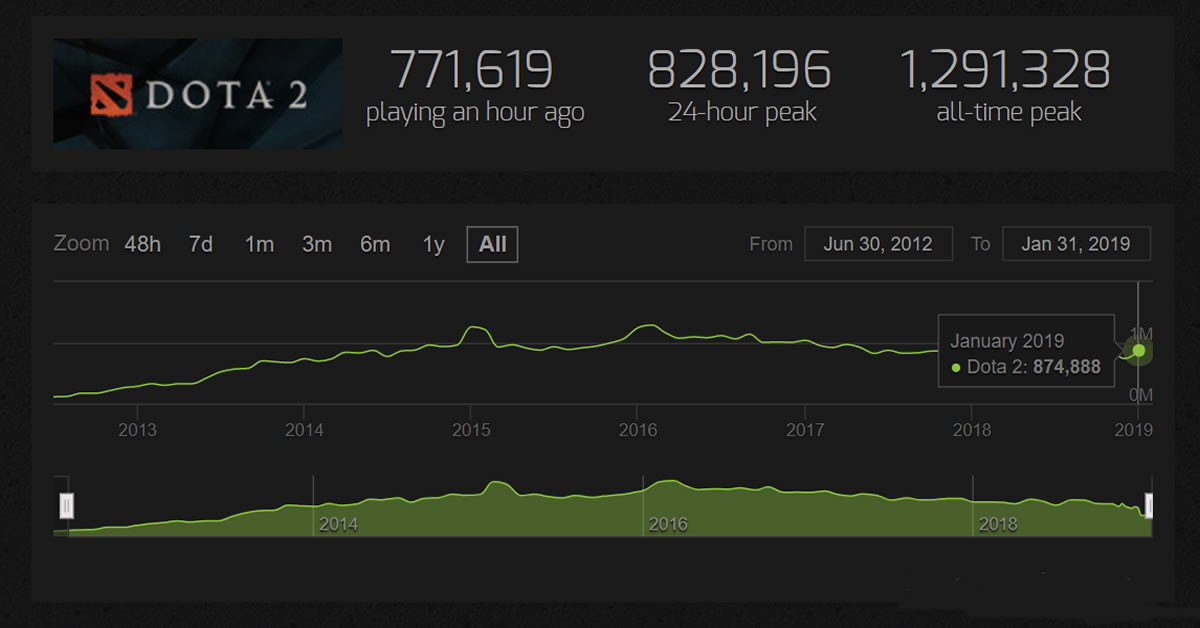
Dota 2's all-time peak player count reached over 1.29 million concurrent players in March 2015. More recently, the game consistently hits daily peaks between 500,000 and 700,000, especially during key events and new patch releases.
How do I track Dota 2 trends?
To track Dota 2 trends, monitor its Steam Charts regularly, paying attention to daily, weekly, and monthly concurrent player averages. Supplement this with data from sites like Dotabuff for hero meta shifts and Twitch Tracker for viewership trends, giving you a holistic view of the game's direction.
What are the best sites to view Dota Steam Charts data?
The best sites to view Dota Steam Charts data are the official Steam Charts page for raw numbers and SteamDB.info for comprehensive historical data, detailed graphs, and additional filtering options like regional trends. Both provide accurate, real-time insights for informed analysis.
How accurate are the real-time player counts on Dota Steam Charts?
The real-time player counts on Dota Steam Charts are highly accurate as they pull directly from Valve's Steam platform, reflecting the exact number of users currently playing Dota 2. This makes them a reliable source for understanding immediate player engagement and game activity.
Can Dota Steam Charts help me understand regional player activity?
While the main Steam Charts show global data, third-party sites like SteamDB often provide breakdowns or estimations of regional player activity and peak times. This is invaluable for US gamers seeking optimal matchmaking hours in their specific time zones for faster queues and better game quality.
Why do Dota Steam Charts show fluctuating player numbers?
Dota Steam Charts show fluctuating player numbers due to various factors including daily cycles (peak evening hours), weekly patterns (weekends vs. weekdays), major game updates, esports tournaments (like The International), seasonal holidays, and global events. These all contribute to shifts in player engagement.
How does new content or battle passes affect Dota Steam Charts?
New content releases, hero reworks, and especially Battle Passes significantly affect Dota Steam Charts by almost always causing a substantial surge in concurrent player numbers. These events rekindle interest, attract lapsed players, and boost overall engagement as the community explores fresh additions.
What is a healthy concurrent player count for a game like Dota 2?
For a massive F2P game like Dota 2, a healthy concurrent player count is generally considered to be consistently above 300,000, with daily peaks often exceeding 500,000-700,000. These numbers indicate a robust and active player base, supporting quick matchmaking and a vibrant community.
Are there any hidden insights I can gain from deep-diving into Dota Steam Charts?
Deep-diving into Dota Steam Charts can reveal hidden insights, such as correlating player surges with specific esports moments to predict future engagement, identifying quiet periods for focused practice without queue times, or understanding the long-term impact of specific patch philosophies on player retention. It is about connecting the dots beyond just the numbers.
Hey fellow gamers Ever feel like you are caught in a constant juggle between work family and the epic battles of Dota 2 You are not alone In the US a whopping 87 percent of gamers regularly dive into their favorite titles often spending upwards of 10 hours a week honing their skills or just unwinding. We all want to stay current maybe even climb those ranks but who has the time to constantly monitor every patch note or stream every pro match That is where Dota Steam Charts become your secret weapon.
You see understanding the game is more than just knowing hero abilities. It is about recognizing the pulse of the community the shifts in popularity and the underlying health of Dota 2 itself. For busy adults who love gaming for relaxation fun and skill-building mastering the data from Dota Steam Charts can provide invaluable insights helping you optimize your limited playtime make smarter in-game purchases and even connect better with your friends. Instead of blindly following the hype this guide will show you how to read the data like a pro turning raw numbers into actionable strategies. Let's dive into how these charts can elevate your Dota 2 experience without adding more stress to your already packed schedule.
What exactly are Dota Steam Charts and why should I care?
Dota Steam Charts are publicly available data visualizations that track various statistics related to Dota 2 on the Steam platform. Primarily these charts display concurrent player counts daily peaks and historical trends over weeks months and even years. Why should you care Because these numbers offer a direct window into the game's vitality and player engagement. For a busy gamer understanding these charts helps you gauge if the game is thriving if certain times of day offer better matchmaking or even if a particular update significantly impacted player interest. It's about being informed not just playing. This month for instance we've seen a slight uptick in peak concurrent players often associated with recent esports events and minor balance changes which is a positive sign for the game's immediate future.
How can Dota Steam Charts help me improve my gameplay or strategy?
While Dota Steam Charts do not directly tell you which hero to pick they provide crucial context for strategic decision-making. High concurrent player counts might indicate a healthy meta with diverse strategies thriving while sudden drops could signal an unpopular patch or meta stagnation. Observing player trends can indirectly inform you about the meta's stability. For example if the charts show consistent player numbers after a major patch it suggests the new meta is well-received. Furthermore understanding peak player times means you can schedule your games during periods when more players are online potentially leading to faster queues and more varied opponents which is essential for skill building and adapting to different playstyles. For gamers balancing jobs and family knowing when the player base is most active allows you to maximize your gaming efficiency.
Where can I find the most accurate Dota Steam Charts data?
The most direct and accurate source for Dota Steam Charts data is always Steam's official statistics page which directly pulls information from the Steam platform itself. Websites like SteamDB and PlayTracker also aggregate this data offering more detailed historical graphs filtering options and additional context such as regional breakdowns or game updates correlated with player peaks. While many gaming news sites reference these statistics always cross-reference with the official or highly reputable data aggregators to ensure you are getting the most up-to-date and reliable information. This month SteamDB has shown precise hourly concurrent player data which is invaluable for identifying specific peak periods.
Are Dota Steam Charts reliable for understanding player trends?
Absolutely yes Dota Steam Charts are highly reliable for understanding macro-level player trends and the overall health of the game's active community. The data is pulled directly from Valve's Steam platform reflecting actual player activity. However it is important to interpret the data correctly. While concurrent player counts are excellent for identifying peak engagement they do not always equate to unique players or overall player base growth. Factors like regional holidays or major esports tournaments can cause temporary spikes. For instance during The International this past year we saw a significant boost in player numbers a clear trend reflected on the charts. Always consider the broader context behind the numbers to draw accurate conclusions about long-term trends versus short-term fluctuations.
How do player numbers on Dota Steam Charts impact game updates and balance changes?
Player numbers on Dota Steam Charts are a critical metric for game developers like Valve. Significant drops in concurrent players post-update can signal dissatisfaction with balance changes hero reworks or new features prompting developers to react swiftly with hotfixes or subsequent patches. Conversely a healthy surge in players after an update indicates positive reception encouraging similar design directions. Valve likely uses this data alongside player feedback and internal metrics to fine-tune the game. This month a minor hero balance patch was quickly followed by a slight increase in engagement indicating players appreciate the responsiveness to the meta. For us gamers this means our collective play patterns influence the game's evolution making these charts a powerful tool for community voice.
Can Dota Steam Charts show regional player activity or peak times?
While the official Steam Charts primarily show global concurrent players some third-party sites like SteamDB do offer more granular data including regional player activity estimates and specific peak times based on different time zones. These insights are incredibly valuable for players who want to optimize their matchmaking experience. If you are a US gamer juggling commitments knowing that your specific region has higher player counts during evening hours can ensure quicker queues and more balanced matches when you finally get a chance to play. This can be especially useful for those looking to play with friends across different time zones or to avoid high-ping matches which can ruin an evening of relaxation.
What do concurrent player numbers on Dota Steam Charts tell us about the game's health?
Concurrent player numbers are a strong indicator of a game's immediate health and active engagement. A consistent base of high concurrent players suggests a vibrant community active development and a generally satisfying player experience. Sharp declines can indicate player attrition or issues with recent updates while stable or growing numbers typically signal a healthy ecosystem. Dota 2 as a long-standing free-to-play title relies on consistent engagement. Observing the Dota Steam Charts over time provides a factual basis for assessing whether the game is maintaining its player base or experiencing shifts. It is a key metric alongside Twitch viewership and esports prize pools that paints a full picture of Dota 2's ongoing success and appeal.
How can I use Dota Steam Charts to predict hero meta shifts?
Predicting hero meta shifts using Dota Steam Charts is more about inference than direct data. While the charts do not list hero win rates or pick rates they reflect overall player engagement. For instance if a major patch introduces significant hero reworks or new items a surge in player numbers on the charts often accompanies an initial period of meta experimentation. As the meta settles you might notice player counts stabilize or even slightly dip if the meta becomes stale. You can then cross-reference these engagement trends with other data sources like Dotabuff or OpenDota for hero-specific statistics. High player engagement after a specific hero change, for example, might suggest that a newly viable hero is attracting players back to the game to try it out. This holistic approach empowers you to stay ahead of the curve without dedicating all your time to theory-crafting.
Are there third-party tools that enhance Dota Steam Chart data?
Absolutely There are several excellent third-party tools that complement and enhance the raw data from Dota Steam Charts. Sites like SteamDB provide more detailed historical graphs including weekly and monthly averages and even compare Dota 2's performance against other games. Dotabuff and OpenDota are crucial for diving into hero specific statistics like pick rates win rates and item builds which are directly influenced by the player base reflected in the Steam charts. Furthermore platforms like Twitch Tracker can show you how many viewers Dota 2 streams are attracting providing another layer of insight into the game's cultural relevance and trending interest. These tools allow busy gamers to get a comprehensive view of the game's landscape quickly and efficiently.
How do F2P trends and esports influence Dota Steam Charts data?
Free-to-play F2P models are a massive driver of player engagement and directly impact Dota Steam Charts. Being free allows anyone to jump in lowering the barrier to entry and often leading to higher concurrent player numbers compared to paid titles. Esports on the other hand acts as a major hype generator. During major tournaments like The International or the DPC leagues player counts often spike significantly as fans and aspiring pros flock to the game. These events revitalize interest attract new players and bring back old ones boosting player activity on the charts. This month we saw a notable increase in concurrent players following a major regional playoff series demonstrating the powerful synergy between F2P accessibility and high-stakes competitive play. Both elements are vital for sustaining Dota 2's vibrant community and player base.
How do I balance my time efficiently using Dota Steam Charts insights?
Balancing gaming with life's demands is a core challenge for many adult gamers. Dota Steam Charts can help by showing you optimal times to play. By identifying peak player times you can ensure faster queues and more diverse opponents making your limited game sessions more impactful for skill development and enjoyment. Avoiding low-player count periods means less waiting and more actual gameplay. Furthermore if you notice a sustained dip in player numbers it might signal a less engaging meta allowing you to wisely allocate your time to other aspects of life or even other games without feeling like you are missing out on key trends in Dota. This data-driven approach ensures you are making the most of your gaming schedule balancing fun and progress without stress.
How can I identify a good time to play using Dota Steam Charts?
Identifying a good time to play using Dota Steam Charts involves a bit of observation and understanding your local time zone. Look for the daily peaks in concurrent players. These usually occur during evening hours in major regions when most people are off work or school. If you are in the US you would generally look for peaks in the late afternoon and evening PST EST. Websites like SteamDB often provide historical data that can help you pinpoint consistent patterns. For example if the charts consistently show a peak between 6 PM and 10 PM in your region that is likely when you will find the most active player base and quickest matchmaking. Playing during these times enhances your social experience and helps you find balanced matches crucial for enjoyable and meaningful gameplay.
So there you have it Dota Steam Charts are more than just numbers they are a powerful resource for the smart gamer. By understanding these trends you can optimize your gameplay stay informed about the meta and make the most of your valuable gaming time whether you are aiming for relaxation skill-building or connecting with friends. It's about playing smarter not harder and getting the most value from your gaming investment. What's your biggest gaming challenge when trying to stay current in Dota Comment below!
FAQ Section
Are Dota Steam Charts available on mobile? While official Steam Charts are browser-based, many third-party apps and mobile-friendly websites like SteamDB offer access to Dota 2 player statistics on your mobile device, allowing you to check trends on the go.
Do Dota Steam Charts track specific heroes? No, the main Dota Steam Charts track overall game player counts. For hero-specific data like pick rates and win rates, you will need to use dedicated analytics sites like Dotabuff or OpenDota, which aggregate in-game data.
How often are Dota Steam Charts updated? Dota Steam Charts are updated in real-time, often every few minutes, reflecting the most current concurrent player numbers on the Steam platform. This live data ensures you always have the freshest insights into player activity.
Can I see historical player data for Dota 2 on Steam Charts? Yes, most Dota Steam Chart platforms provide extensive historical data, allowing you to view player counts over days, weeks, months, and even years. This is crucial for analyzing long-term trends and game health.
Does Dota 2's free-to-play status inflate Steam Chart numbers? Dota 2's free-to-play model certainly contributes to its high concurrent player numbers by removing a financial barrier, making it accessible to a wider audience. However, the charts accurately reflect active players, regardless of how they joined.
How do major game updates affect Dota Steam Charts? Major game updates, especially those introducing new heroes, features, or significant balance changes, almost always cause a spike in Dota Steam Chart player counts as players return to explore the new content and meta.
Dota 2 player count trends concurrent user analysis meta shifts prediction regional player activity game health indicators esports impact free-to-play dynamics efficient playtime optimization in-game economy insights community engagement metrics skill building data informed decisions.
35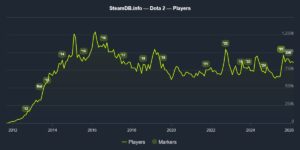

Dota 2 Player Count In 2026 Dota 2 Player Count History Chart On SteamDB 300x150 . Dota 2 Vs League Of Legends Which MOBA Should You Play In 2026 Steam Charts Dota 2 Large . Dota 2 Players Count In 2026 What The Numbers Mean Is Dota 2 Dying In 2026 4 768x432 .webp. Dota 2 2016 D1acb67b Fd12 4186 Bd27 . Dota 2 Rank 2026 Complete Data Analysis Dota2 MMR Boost Post 17 Featured Web
Dota 2 Steam Charts Dota 2 Primero En Ranking De Juegos De Steam Im 1 . Dota 2 Player Count How Many People Play The Game In 2024 Dota 2 Player Count 2024 768x432 . Two Time Dota 2 World Champion Ana Tops Charts In Deadlock Ladder In Pic 20250822 1385x817 8831507122 . STEAMCHARTS Anongoing Analysis Of Steams Concurrent Players Search 1 . Dota 2 MMR Guide 2026 Rank Table How To Rank Up Fast Dota 2 Rank System


KuyaNic According To Steam Charts Dota 2 Has Reached An Facebook Media. January 2026 S Top Selling New Steam Games Revealed 08418405 04a2 47eb B48b 1500x843 . Dota 2 Steam Charts SteamDB PDF Computing Software 1. The Most Played Games On Steam For 2026 So Far Cheat Code Central Steam Top Games July . Dota 2 Steam Charts Steambase Header




Dota 2 Steam Charts 26871 . Dota 2 Events Calendar In 2026 C4vv75y5ce. Dota 2 Steam Charts SteamDB Page Bg Raw . Dota 2 The 2026 YouTube . Esports Nations Cup 2026 Adds Dota 2 To The Games Lineup Image





The Lowest Number Of Active Players Since 2014 Esports Tales Dota 2 Players 2017 Steam Charts . Dota 2 Events 2026 Calendar Key Tournaments And Dates Net Dota 2 Events 2026 Calendar Key Tournaments And Dates 1024x575 . Dataminers Have Revealed Valve S Plans For 2026 In Dota 2 Hawk Live Dataminers Have Revealed Valves Plans For 2026 In Dota 2 22914 . The 2026 Venue And Schedule Revealed GosuGamers Dota2 Banner.webp. Game Charts Steam Player Count Concurrent Players Header




5 Heroes We Expect To Dominate The Dota 2 Meta In 2026 5 Dota 2 Heroes Expected To Rule The 2026 Meta . Dota 2 MMR Guide 2026 Rank Table How To Rank Up Fast Dota 2 Rank System MMR Guide 2026 . Dota 2 MMR Guide 2026 Rank Table How To Rank Up Fast Player Rank Statistics . Dota 2 2026 The 1180x665 . Dota 2 Steam Charts SteamDB Page Bg Generated V6b



Dota 2 Steam Ss . CS GO Steam Charts Why CS GO Suddenly Returned To Steam Image 5 . Dota 2 Vs League Of Legends 2026 Player Count More Dota 2 Vs League Of Legends Comparison 2026 . Is Dota 2 Dying In 2024 Hawk Live Dota 2 Steamdb 12732 . League Of Legends And Dota 2 Esports Popularity Analysis 2017 2022 Charts Dynamicsat 2