Navigating the vast world of Roblox can be an exciting experience for US gamers, offering endless creativity and social interaction. However, with millions of user-generated creations, understanding how to identify, report, and avoid inappropriate content like "nasty decals" is crucial. This comprehensive guide offers practical advice for adult gamers and parents who balance their passion for gaming with real-world responsibilities. Discover how Roblox moderates content, learn effective reporting strategies, and explore the tools available to ensure a safer and more enjoyable environment for everyone. We'll delve into Roblox's Community Standards, explore the role of AI and human moderators, and highlight how the vigilant gaming community contributes to platform safety. Empower yourself with knowledge to protect younger players, maintain account security, and foster positive online interactions within Roblox's dynamic ecosystem, ensuring your gaming time remains relaxing and fun, free from unwanted disruptions. Stay informed and play smart.
What is the official stance on "nasty decals" on Roblox?
Roblox has a zero-tolerance policy against inappropriate content, including "nasty decals." Their Community Standards strictly prohibit any sexually suggestive, violent, or hate-related imagery. Uploaded decals are subject to automated and human moderation, ensuring a safe environment for its diverse user base.
How can I identify a "nasty decal" that violates Roblox's rules?
A "nasty decal" typically violates Roblox's Community Standards by displaying nudity, sexual content, gore, hate speech, or real-world sensitive imagery. Look for distorted or suggestive images that don't fit the platform's family-friendly guidelines, often used to bypass filters. If it makes you uncomfortable or seems out of place, it likely qualifies.
Why do "nasty decals" sometimes slip through Roblox's moderation?
Given the immense volume of user-generated content, some inappropriate decals might temporarily bypass moderation filters. Users often employ subtle obfuscation methods or rapid uploads to evade detection. However, Roblox continuously updates its AI algorithms and human moderation teams to catch and remove these persistent violations as quickly as possible.
What is the process for reporting an offensive decal on Roblox?
To report an offensive decal, click the three dots next to the item or user, then select "Report Abuse." Choose the most appropriate category (e.g., Inappropriate Content, Sexual Content) and provide specific details in the text box. This action sends it directly to Roblox's moderation team for swift review and action.
What happens to a user account that uploads "nasty decals"?
Users who upload "nasty decals" face consequences ranging from content removal and warnings to temporary account suspensions or even permanent bans, depending on the severity and frequency of violations. Roblox's strict enforcement ensures platform safety and maintains a respectful environment for all players.
Can "nasty decals" be used to spread malware or compromise my account?
While a decal itself is typically an image and less likely to carry direct malware, links embedded within descriptions or associated with malicious games using such decals could pose a risk. Always be cautious of external links and report any suspicious content or attempts to direct you outside of the official Roblox platform.
How can parents educate their children about avoiding "nasty decals" on Roblox?
Parents should have open conversations with their children about online safety, explain what inappropriate content looks like, and encourage them to report anything that makes them uncomfortable. Utilizing parental controls to restrict access and playing together to monitor content also helps create a safer, more guided experience for young players.
Hey fellow gamers! If you're like many of us juggling work, family, and a passion for gaming, platforms like Roblox offer a fantastic escape. It’s a universe of creativity, social interaction, and endless fun, especially with its recent surge in popularity among US gamers, where 87% play regularly and spend an average of 10+ hours a week. For many adults, Roblox isn't just for kids; it's a place to relax, build skills, and connect with friends, sometimes even with your own family members. However, with its massive library of user-generated content, navigating this vibrant world sometimes means encountering elements that aren't so wholesome. Specifically, we're talking about "nasty decals" – images that slip through the cracks and can expose players, particularly younger ones, to inappropriate material.
Understanding how to identify, report, and ultimately avoid these unwelcome visuals is crucial for maintaining a positive and safe gaming environment. It's not about stifling creativity but ensuring the platform remains enjoyable and secure for its diverse audience. This comprehensive guide is designed to empower you, the busy adult gamer, with the knowledge and tools to confidently manage your Roblox experience. We’ll dive deep into what nasty decals are, how Roblox tries to keep them at bay, and what you can do to contribute to a safer, more enjoyable online space. No hype, just practical, actionable advice to help you and your loved ones game smarter and safer.
What Exactly Are Decals in Roblox and Why Do "Nasty Decals" Appear?
Decals in Roblox are essentially user-uploaded images that players can apply to objects, surfaces, or even their avatar accessories within games and experiences. Think of them as custom textures or stickers that allow for immense creative expression, from adding detailed artwork to creating unique game assets. They are fundamental to Roblox's user-generated content (UGC) ecosystem, enabling creators to personalize their worlds extensively. For many gamers, finding the perfect decal can enhance immersion or add a touch of personal flair to their creations or characters.
The term "nasty decals" refers to those specific images that violate Roblox's strict Community Standards. These often include content that is sexually explicit, violent, contains hate speech, portrays discriminatory imagery, or depicts real-world sensitive events in an inappropriate manner. The primary reason such decals appear, despite Roblox's significant moderation efforts, is the sheer scale of user-generated content. With millions of users globally, and a substantial portion being active US gamers who love customizing their experiences, the volume of daily uploads is staggering. Bad actors sometimes attempt to bypass moderation filters using clever obfuscation or rapid re-uploads, leading to these inappropriate images occasionally slipping through before being caught by the system or reported by vigilant players.
How Does Roblox Actively Moderate User-Generated Decals?
Roblox employs a multi-layered and constantly evolving moderation system to tackle the challenge of user-generated content, including decals. This system combines advanced Artificial Intelligence (AI) with a large team of human moderators who work around the clock. When a decal is uploaded, it first undergoes automated screening by AI, which uses image recognition and contextual analysis to detect problematic content. If the AI flags something suspicious, it's often escalated for human review. Furthermore, the platform relies heavily on community reports – a vital component that allows vigilant players to flag content that might have initially bypassed automated systems.
The moderation team reviews these flagged items, taking action based on the severity of the violation, from removing the decal to issuing warnings, suspensions, or even permanent bans for repeat offenders. This blend of technology and human oversight is essential to keeping up with the sheer volume and varied nature of uploads, aiming to ensure that the gaming environment remains safe and compliant with its Community Standards. For adult gamers who appreciate performance optimization, knowing that Roblox invests heavily in these systems provides a measure of confidence in the platform's commitment to safety.
What Are the Real Risks of Encountering Inappropriate Decals?
Encountering "nasty decals" on Roblox carries several real risks, impacting both the gaming experience and personal well-being, especially for younger players. Beyond the obvious exposure to potentially disturbing or offensive imagery, these decals can create an uncomfortable or unsafe environment, detracting from the relaxation and fun that many gamers seek. For parents, the concern extends to their children's psychological well-being and exposure to content that is far beyond their age group. In a world where mobile gaming dominates and social interaction is key, maintaining a secure digital space is paramount.
Furthermore, inappropriate decals can sometimes be part of a larger scheme. While the images themselves typically pose no direct security threat like malware, they might be used in conjunction with malicious games or phishing attempts, where accompanying descriptions or game elements try to lure users to external, unsafe websites. This could lead to account compromise, personal data exposure, or even financial scams. Staying current without hype means understanding these nuanced risks and being proactive, rather than reactive, in your approach to online safety.
How Can I Protect Myself and Younger Players from "Nasty Decals"?
Protecting yourself and, crucially, younger players from "nasty decals" on Roblox involves a combination of platform tools, open communication, and smart gaming habits. For adult gamers managing their own experience or that of their families, leveraging Roblox's built-in parental controls is a primary step. These settings, accessible via the account dashboard, allow you to: restrict chat to friends only or turn it off entirely, limit the types of experiences (games) that can be accessed based on age recommendations, and monitor account activity. Many US gamers, especially those balancing work and family, find these controls invaluable for managing screen time and content exposure effectively.
Beyond technical settings, fostering an environment of open communication with younger players is vital. Talk to them about what inappropriate content looks like, why it's harmful, and most importantly, encourage them to tell you immediately if they encounter anything that makes them uncomfortable. Teach them how to use the in-game reporting tools effectively. Emphasize that reporting is not "snitching" but a responsible action that helps keep the platform safe for everyone. Regularly engaging in social play together can also help you monitor their interactions and the content they encounter firsthand.
Are There Specific Tools or Settings to Filter Inappropriate Content?
Yes, Roblox provides specific tools and account settings designed to help users, particularly parents and adult guardians, filter and manage the content accessed on the platform. The most comprehensive tools are found within the
Parental Controls
section of the account settings. Here's how you can leverage them:Account Restrictions: This feature allows you to limit the experiences your child can access to a curated list of age-appropriate content. It effectively prevents them from joining games that might feature more mature themes or user-generated assets, including decals, that have been rated for older audiences.
Communication Settings: You can control who can chat with your child (e.g., no one, friends only, or all users) and filter out inappropriate language from chats. While not directly for decals, it reduces exposure to other forms of problematic content.
Spending Limits: Although not directly related to decals, setting spending limits for Robux is another control measure to manage overall engagement and value for money within the platform, preventing unauthorized purchases in games that might be associated with inappropriate content.
Remember that even with these settings, continuous vigilance and active reporting remain crucial. No automated system is 100% foolproof, especially with the dynamic nature of user-generated content. Regularly review these settings as gaming trends evolve, and encourage your family to proactively use the reporting features if they encounter anything concerning.
What Are the Consequences for Users Who Upload "Nasty Decals"?
Roblox takes violations of its Community Standards very seriously, and users who upload "nasty decals" face a range of consequences designed to enforce platform safety and deter future offenses. These consequences are tiered based on the severity and frequency of the violation:
The immediate action is the
removal of the offending content
. The decal will be deleted from the platform, making it inaccessible to all users. Following this, the user's account typically receives a warning for a first offense of a minor nature. More severe or repeated offenses can lead to:Temporary Account Suspension: This can range from a few hours to several days or even weeks, during which the user cannot access their Roblox account or any of its features.
Permanent Account Ban: For egregious violations, repeated policy breaches, or attempts to circumvent moderation, Roblox may issue a permanent ban. This means the user loses all access to their account, including any Robux or items associated with it. This is a significant penalty, reflecting Roblox's commitment to maintaining a safe environment for its 200+ million active users, a substantial portion of whom are US adults and children.
Roblox's moderation team makes these decisions after careful review, emphasizing fairness while prioritizing the safety of its vast community.
How Can the Gaming Community Help Maintain a Safer Roblox Environment?
The gaming community plays an indispensable role in maintaining a safer Roblox environment, complementing Roblox's official moderation efforts. For adult gamers who value skill-building and social play, active participation in upholding community standards is a form of digital citizenship. Given that millions of players, including many children, interact on the platform daily, every report of inappropriate content, like a "nasty decal," acts as an alert for the moderation team, often leading to quicker removal of harmful material.
Here's how the community can contribute:
Vigilant Reporting: The most direct impact comes from actively reporting any content that violates community standards. Don't assume someone else will report it; take the initiative. Prompt reporting can prevent wider exposure.
Educating Others: Share knowledge about online safety, Roblox's rules, and how to use reporting tools with friends, fellow gamers, and especially younger family members. This informal education is incredibly powerful.
Setting Positive Examples: As an adult gamer, demonstrate responsible online behavior. Create appropriate content, engage respectfully, and be a positive influence within the Roblox community. This fosters a culture of safety and respect that helps combat negative elements.
By taking these steps, the community acts as a powerful decentralized moderation force, making Roblox a better place for everyone, from casual players to dedicated content creators.
What Are Roblox's Official Policies Regarding User-Generated Content and Decals?
Roblox's official policies for User-Generated Content (UGC) and decals are primarily outlined in its
Community Standards
andTerms of Use
. These documents serve as the foundational rules for all users interacting with the platform, from uploading assets to creating entire experiences. The core principle is to maintain a safe, civil, and fun environment for a global audience that includes a significant demographic of US gamers, many of whom are balancing gaming with family life.Key aspects of these policies include:
Zero Tolerance for Harmful Content: Roblox explicitly prohibits content that is sexually explicit, violent, promotes hate speech, discrimination, harassment, or illegal activities. This directly applies to decals, meaning any image falling into these categories will be removed.
Age-Appropriate Content: Creators are expected to produce content suitable for the wide age range on Roblox. Experiences are rated, and content should align with these ratings, especially regarding imagery.
Respect for Intellectual Property: Users must only upload content they own or have the rights to use, preventing copyright infringement.
No Personal Information Sharing: Policies prohibit sharing personal identifying information, safeguarding users' privacy.
These policies are regularly updated to address new challenges and trends, underscoring Roblox's commitment to protecting its community. Understanding these guidelines is crucial for both content creators and general users to ensure compliance and contribute positively to the platform.
Can "Nasty Decals" Pose a Security Risk to My Account or Device?
While the image file of a "nasty decal" itself is highly unlikely to contain malicious code that directly compromises your device or Roblox account, the context in which it appears can sometimes present indirect security risks. Roblox has robust systems to scan uploaded assets for malware, making it extremely rare for a simple image to carry a virus directly. However, the danger often lies in the broader environment or associated elements.
Consider these potential indirect risks:
Phishing Attempts: A game featuring inappropriate decals might also contain links in its description, in-game text, or chat messages that attempt to redirect you to external, fraudulent websites. These sites could try to trick you into giving away your Roblox login credentials or personal information.
Malicious Games: Sometimes, inappropriate decals are found within games designed to be malicious. These games might try to exploit vulnerabilities, ask for excessive permissions, or employ social engineering tactics to gain access to your account or encourage you to download harmful third-party software outside of Roblox.
Therefore, while the decal itself is generally harmless, vigilance is key. Always be wary of external links, avoid downloading software from unverified sources, and ensure your Roblox account has two-step verification enabled for an extra layer of security. Staying current on cybersecurity best practices, much like keeping up with gaming trends, is essential for a safe online experience.
What's the Most Effective Way to Report a "Nasty Decal" on Roblox?
The most effective way to report a "nasty decal" on Roblox is to utilize the platform's built-in
Report Abuse
feature. This method ensures that the report goes directly to Roblox's moderation team, allowing them to review and take appropriate action swiftly. As many US gamers play on mobile devices, Roblox has made this feature accessible across all platforms.Here's a step-by-step guide to effective reporting:
Identify the Decal's Source: Note where you saw the decal. Was it on an item, an avatar, or within an experience?
Locate the Reporting Option: Most items and user profiles in Roblox have a small three-dot icon (…) somewhere near them. Click this icon.
Select "Report Abuse": From the dropdown menu, choose the "Report Abuse" option. This will open a reporting window.
Choose the Correct Category: Select the most accurate reason for your report, such as "Inappropriate Content," "Sexual Content," "Hate Speech," or "Gore." Being specific helps moderators quickly understand the nature of the violation.
Provide Details: In the text box, briefly explain why you are reporting the decal. For example, "This decal displays sexually suggestive imagery" or "This decal contains hate speech." Avoid emotional language; stick to factual observations.
Submit the Report: Click the "Submit" button to send your report. Roblox's moderation team will then review it.
Remember, submitting a detailed and accurate report is crucial for efficient moderation. Your proactive approach helps keep the Roblox community safe for everyone.
What Role Do Content Creators Play in Preventing "Nasty Decals"?
Content creators are at the forefront of preventing "nasty decals" and maintaining a positive Roblox environment. As the architects of experiences and assets, their adherence to Community Standards is paramount. Many US gamers who are also creators take pride in building engaging worlds, and part of that responsibility involves ensuring all uploaded elements, including decals, meet Roblox's safety guidelines. This proactive approach by creators significantly reduces the chances of inappropriate content appearing on the platform.
Their role includes:
Pre-emptive Filtering: Creators have the responsibility to carefully vet all assets they upload or integrate into their games. This includes understanding the nuances of Roblox's rules to avoid accidental violations.
Educating Their Communities: Influential creators often educate their player bases about Roblox's rules and the importance of reporting inappropriate content. They can model good digital citizenship and foster a respectful community within their own experiences.
Designing with Safety in Mind: By designing games and experiences that inherently discourage or prevent the display of inappropriate UGC, creators contribute to a safer ecosystem. For example, using whitelisted assets or creating systems that filter user input can minimize risks.
Ultimately, content creators are not just building games; they are building communities. Their commitment to responsible creation is a cornerstone of Roblox's safety strategy, directly impacting the quality and security of the platform for millions of players.
Are There Common Misconceptions About Roblox's Content Moderation?
Despite Roblox's significant efforts, several common misconceptions about its content moderation persist, often stemming from the sheer scale of the platform and the speed at which content is generated. Addressing these can help gamers, especially those who balance gaming with jobs and families, better understand the system and reduce frustration.
"Roblox doesn't moderate at all": This is incorrect. Roblox employs thousands of human moderators and advanced AI, processing millions of pieces of content daily. While some things slip through, the platform is actively moderated.
"Moderation is too slow": Given the astronomical volume of new uploads and reports (tens of millions daily), real-time, instantaneous moderation for every single item is an engineering impossibility for any platform. Roblox strives for efficiency, but some review times are necessary.
"Bots do all the moderation": While AI plays a massive role in initial screening and identifying patterns, human moderators make final decisions on complex cases and review flagged content. It's a hybrid approach.
"I can appeal any moderation decision": While Roblox does offer an appeal process for moderation actions, not all decisions are reversible. Appeals are for genuine errors, not simply disagreements with policy enforcement. Understanding the robust review process can help manage expectations.
Understanding the complexities of Roblox's moderation helps players contribute more effectively to platform safety and fosters a more realistic perspective on online content management.
As busy adult gamers, balancing the enjoyment of platforms like Roblox with real-world responsibilities means being informed and proactive. "Nasty decals" are an unfortunate reality of any large user-generated content platform, but with the right knowledge and tools, you can significantly mitigate their impact. By understanding Roblox's moderation efforts, utilizing parental controls, and actively participating in the community through reporting, you contribute to a safer, more positive gaming environment for yourself and others. Remember, your vigilance makes a real difference.
What's your biggest gaming challenge when it comes to online safety or managing user-generated content? Comment below!
FAQ Section
What happens if I accidentally upload an inappropriate decal?
If you accidentally upload an inappropriate decal, Roblox's moderation system will likely flag and remove it. Depending on the nature of the content and your account history, you might receive a warning. Promptly deleting the decal yourself if you catch it before moderation can also demonstrate good intent, though it doesn't guarantee avoiding a warning.
Can I appeal a moderation decision if my decal is removed unfairly?
Yes, Roblox provides an appeal process. If you believe your decal was removed unfairly or that a moderation decision was an error, you can submit an appeal through their support page. Provide clear details and context to help the moderation team re-evaluate the decision.
Are all "nasty decals" intentionally malicious, or can some be accidental?
While many "nasty decals" are intentionally uploaded by users trying to bypass rules, some instances can be accidental. This might happen due to misunderstanding guidelines, using images that have unintended double meanings, or uploading content without fully realizing its implications. However, intent does not always exempt content from moderation.
Can I customize my Roblox experience to avoid specific types of content entirely?
You can significantly customize your experience using Roblox's Parental Controls to restrict age-inappropriate games and communication. While you can't filter specific *types* of content like a keyword blocker for decals, these controls dramatically reduce exposure by limiting the overall content you or younger players can encounter.
Does Roblox use AI and human moderators for decal moderation?
Yes, Roblox utilizes a hybrid moderation system that combines advanced Artificial Intelligence (AI) with a large team of human moderators. AI performs initial scans and flags potential violations at scale, while human moderators review flagged content and make final decisions on complex cases, ensuring a comprehensive approach to content safety.
Understanding Roblox decals, identifying inappropriate or "nasty decals," effective reporting methods, Roblox's content moderation policies, utilizing parental controls for safety, community role in online safety, consequences for uploading inappropriate content, and ensuring a secure gaming experience on Roblox.
35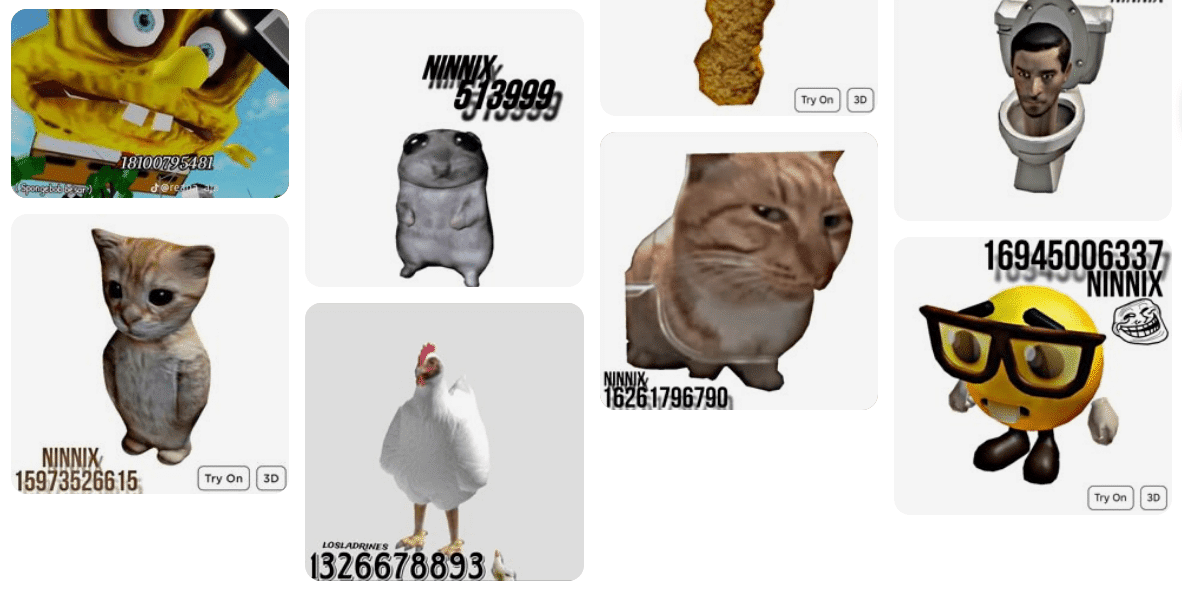


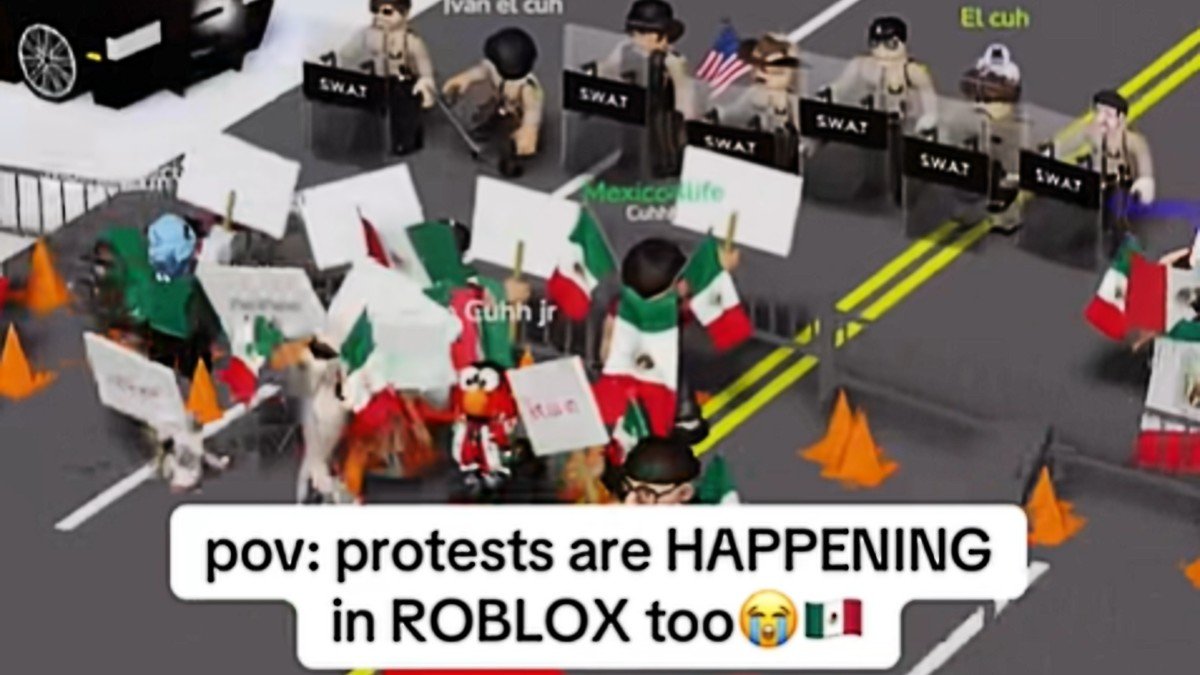

What Exactly Is A Roblox Decal And How Can You Use Them Id Decal Roblox Image . Why Are Roblox NWA Decals So Popular . Roblox DBZ Decals What Are They For 2026 SL1500 . What Are Roblox Ice Decals For 2026 . 100 Best Decal IDs In Roblox June 2026 Beebom Best Decal IDs In Roblox 1
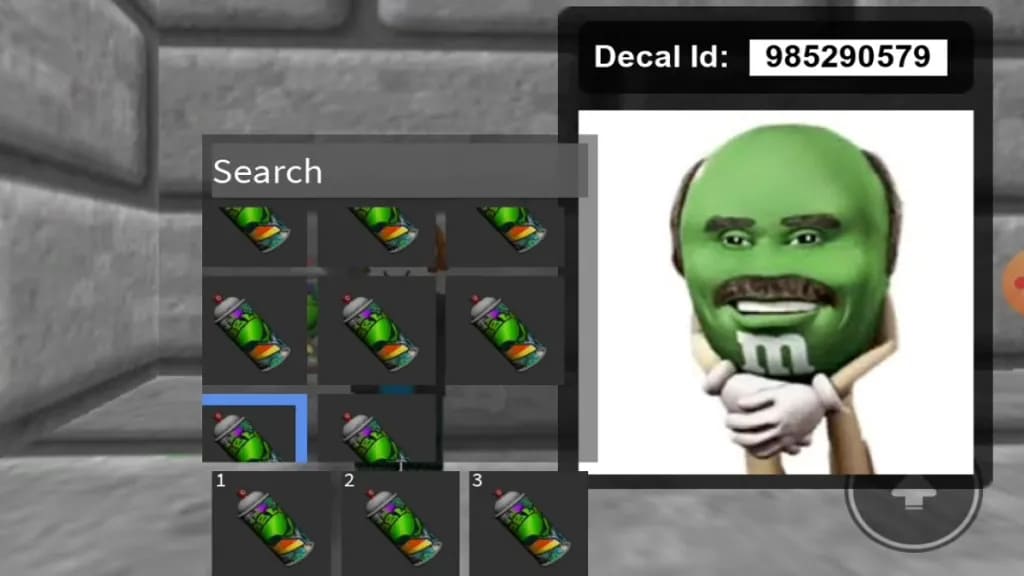


Roblox Decal L G C Ch T I V S D Ng Roblox Decal M I Nh T Roblox Decal 3 . Roblox 2026 Logo REVEALED New Color New Look YouTube Maxres2 . Unlocking Creativity What Are Roblox Texture Decals . How To Make DECALS In The Chosen One Roblox 2026 YouTube . Roblox Decals Leopromos


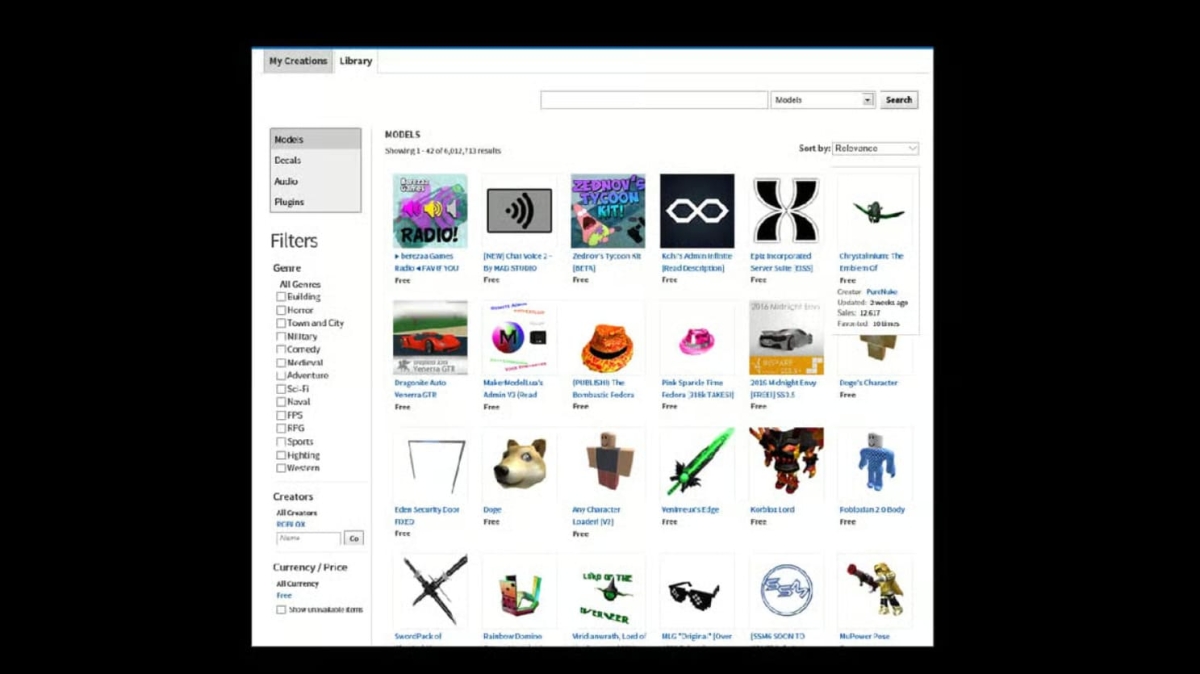


Decals Roblox Hq720 . Roblox Face Decals . Roblox Decal L G C Ch T I V S D Ng Roblox Decal M I Nh T Roblox Decal 6 . Find Cool Roblox Decals A Simple Guide Bypassed Decals Roblox . Roblox Decals Artofit


Roblox Faces Names . Photo Roblox Decals In 2025 Bloxburg Decals Codes Aesthetic Pattern . How To Create Decals In Roblox Easy Method 2024 YouTube . Roblox Decals . Roblox Decals Bloxburg Decals Codes Aesthetic Preppy Decal

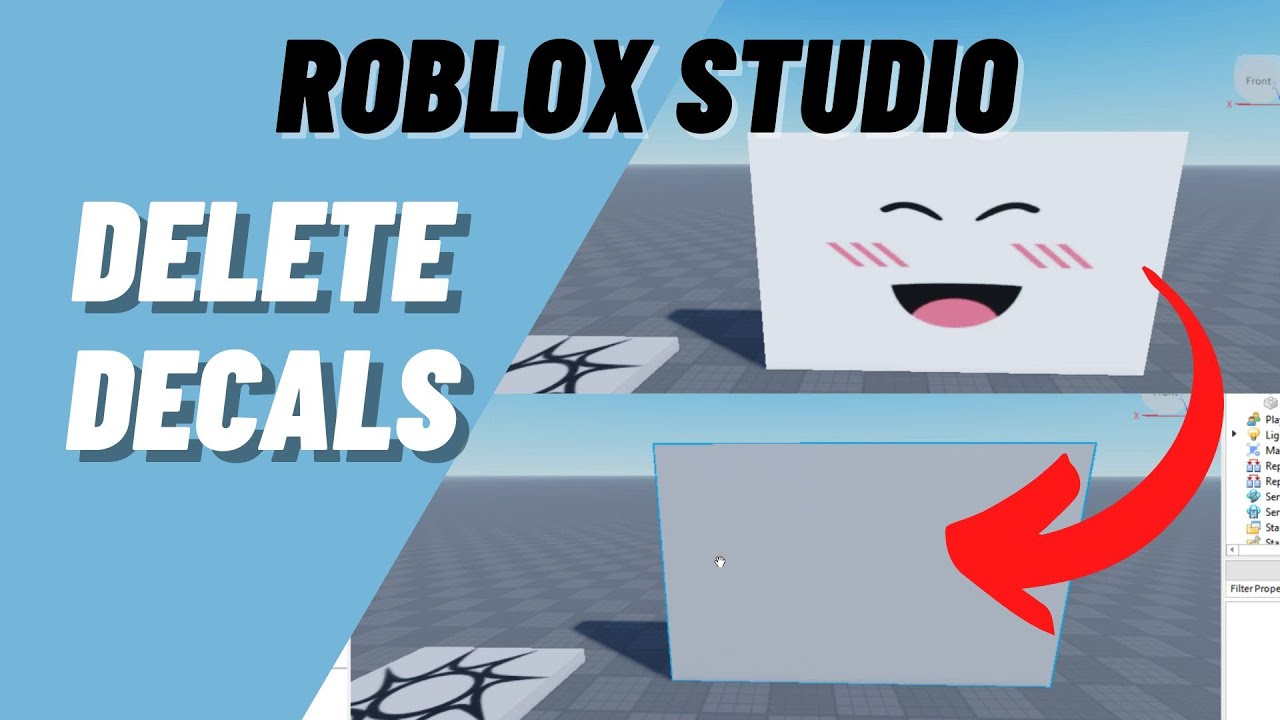


Roblox DBZ Decals What Are They For 2026 Maxres2 . Roblox Decal Id Not Working At Joshua Freeman Blog . Roblox Decals Room Decals Bloxburg Decals Codes House Decals . Art Roblox Decals Aesthetic Roblox Image Ids . Roblox Decals Pictures Download Free Images On Unsplash 1x1


Roblox Decals Roblox Decal Id Code Roblox Id Codes For Royale High . Rug Roblox Decals In 2025 Pattern Decal Preppy Decal Kids Decals . Roblox Decals Artofit . Unlocking Creativity What Are Roblox Texture Decals . What Are Roblox Ice Decals For 2026


Decals Roblox Marketplace At Murray Baxter Blog . Roblox Decals Pictures Download Free Images On Unsplash 1x1 . Roblox Decal ID Ateez Roblox Roblox Codes Bloxburg Decals Codes . Custom Decals For Roblox In 2025 Royale High Journal Ideas Custom . Spooky Halloween Decals For Roblox