Explore the cutting-edge world of gaming PC processors in 2026. This comprehensive guide navigates the latest advancements in CPU technology from Intel and AMD, essential for powering AI-enhanced games, seamless cloud gaming experiences, and ultra-high refresh rate displays. Discover how core count, clock speed, cache size, and architecture impact your gameplay across popular genres like action-adventure, RPGs, and competitive shooters. We break down the crucial factors for enthusiasts and casual players alike, ensuring your next processor upgrade or new build is future-proof and delivers unparalleled performance. Learn to optimize your gaming rig with the right processor, understand ray tracing and DLSS/FSR integration, and stay ahead of the curve. This article provides vital insights into making informed decisions for an ultimate 2026 gaming experience, covering everything from budget-friendly options to high-end powerhouses.
What is the best gaming PC processor in 2026?
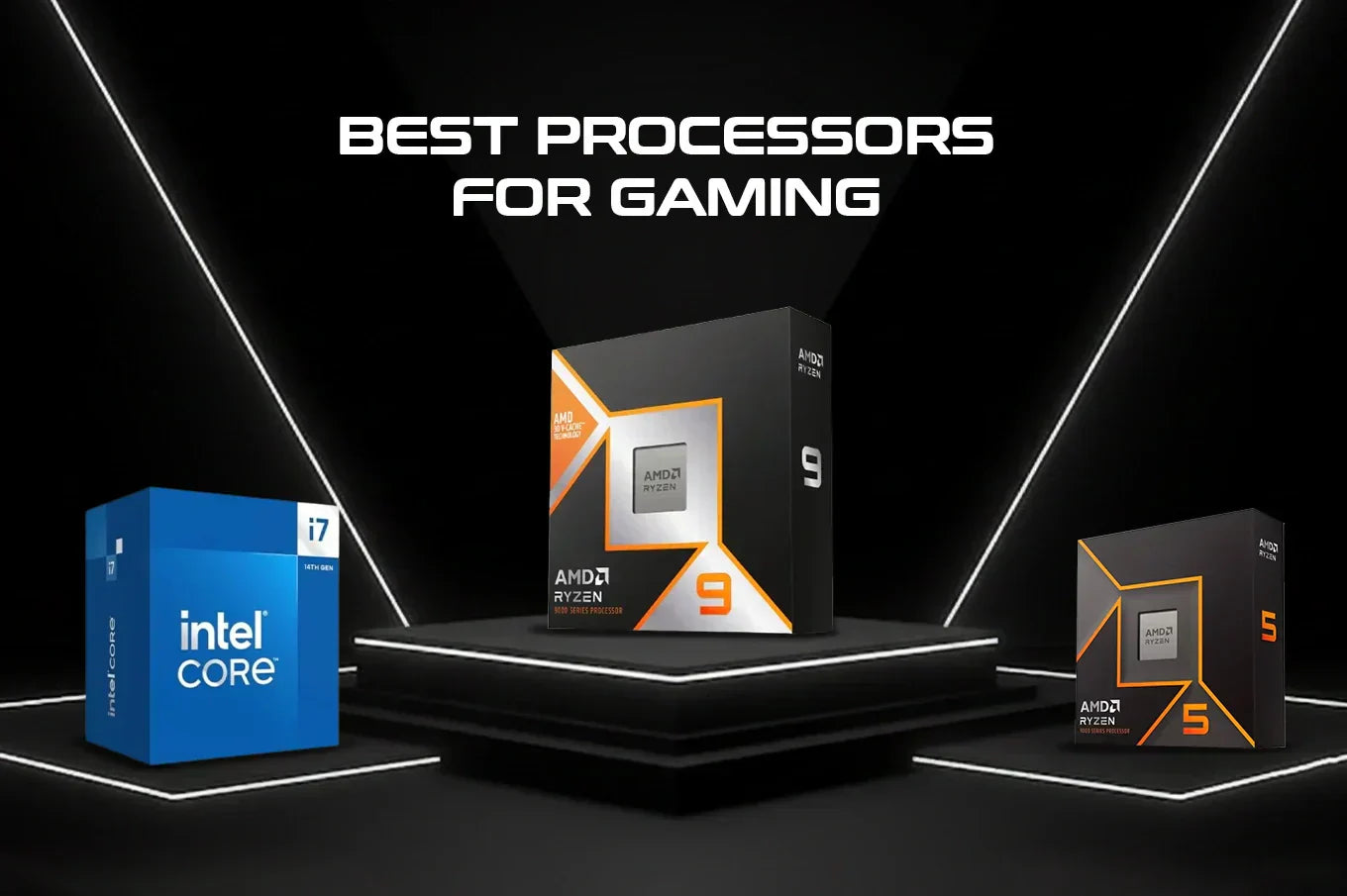
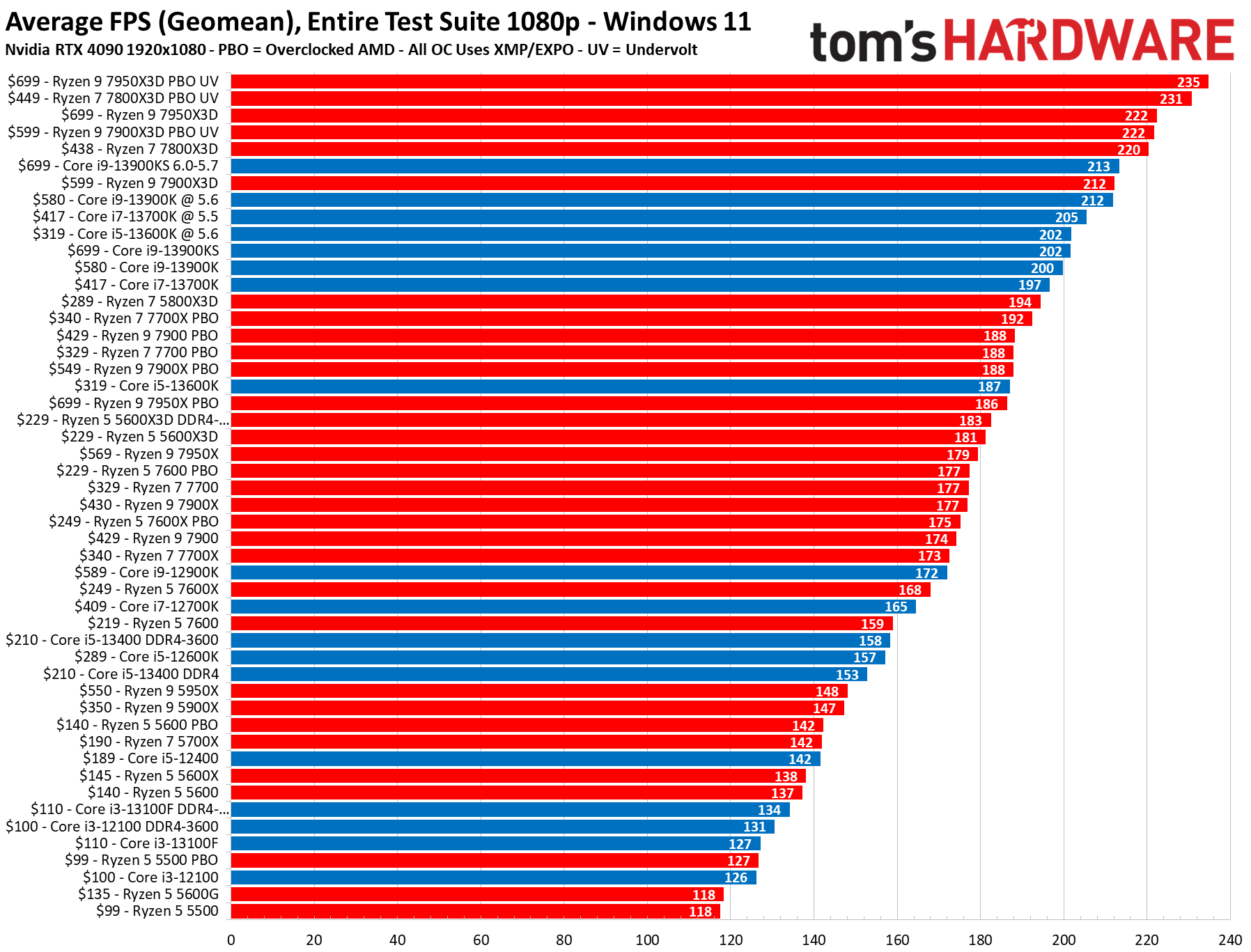
The best gaming PC processor in 2026 highly depends on your budget and specific needs. Top contenders typically include Intel's latest Core i9 K-series and AMD's Ryzen 9 X3D series, known for their exceptional single-core performance and large gaming cache respectively. For mainstream excellent value, look at Intel i7 or AMD Ryzen 7 counterparts. Always cross-reference recent benchmarks for specific game titles you play.
How many cores do I need for a gaming PC processor in 2026?
For optimal gaming performance in 2026, a gaming PC processor should ideally have at least 8 cores and 16 threads. While some older games may perform well on 6 cores, modern AAA titles, especially those utilizing AI, complex physics, and ray tracing, significantly benefit from 8 or more cores. This ensures smooth gameplay and efficient multitasking for background applications.
Is Intel or AMD better for gaming processors in 2026?
Both Intel and AMD offer highly competitive gaming PC processors in 2026. Intel often leads in raw single-core clock speeds, crucial for maximizing frame rates in many titles. AMD typically provides strong multi-core performance, making them excellent for hybrid gaming and content creation rigs. The "better" choice depends on specific model benchmarks, your budget, and whether you prioritize peak FPS or overall system versatility.
Does processor cache size matter for gaming in 2026?
Yes, processor cache size significantly matters for gaming in 2026. A larger and faster L3 cache dramatically reduces memory latency, allowing the CPU to access frequently used data quicker. This directly translates to higher frame rates and improved frame pacing, particularly noticeable in open-world games and titles sensitive to data access, such as those leveraging AMD's 3D V-Cache technology.
Can a gaming PC processor bottleneck my GPU in 2026?
Absolutely. A gaming PC processor can still bottleneck even the most powerful 2026 GPU if it cannot feed data to the graphics card fast enough. This often results in lower-than-expected frame rates, especially at lower resolutions or in CPU-intensive games. Ensuring a balanced CPU-GPU pairing is crucial for maximizing your system's overall gaming performance and avoiding performance limitations.
What role does a gaming PC processor play in ray tracing?
While ray tracing is primarily a GPU-intensive process, a capable gaming PC processor is essential to prevent bottlenecks. The CPU handles game logic, physics, and data preparation that feeds into the GPU's ray tracing calculations. An underpowered CPU can hinder the GPU's ability to render ray-traced effects efficiently, leading to reduced frame rates and a less smooth experience in visually advanced 2026 titles.
Should I consider a gaming PC processor with integrated graphics in 2026?
For serious gaming in 2026, a dedicated graphics card paired with a powerful CPU is always recommended. However, gaming PC processors with capable integrated graphics (iGPUs) can be excellent for budget builds, temporary solutions, or less demanding indie games. They offer flexibility for troubleshooting or light gaming but won't deliver the performance needed for modern AAA titles with high settings and resolutions.
How to Choose Your Gaming PC Processor 2026 Guide
Welcome, fellow PC gamers, to 2026! The landscape of PC gaming continues its rapid evolution, pushing boundaries with stunning graphics, immersive worlds, and innovative gameplay mechanics. In this thrilling era, where AI-enhanced games craft dynamic narratives and cloud gaming redefines accessibility, one component remains the undisputed heart of your rig: the gaming PC processor. Gone are the days when a basic quad-core CPU sufficed; 2026 demands more. From powering ultra-high refresh rate monitors to handling the intricate calculations behind advanced ray tracing and upscaling technologies like DLSS and FSR, your gaming PC processor is more critical than ever. This in-depth guide is tailored for U.S.-based gamers, whether you're a seasoned enthusiast upgrading to the latest tech or a newcomer building your first dream machine. We will delve into the critical aspects of selecting the perfect gaming PC processor, exploring Intel and AMD’s 2026 offerings, core counts, clock speeds, cache impact, and future-proofing your investment. Prepare to unlock unparalleled performance and dive deeper into the games you love, including popular genres like action-adventure, RPGs, survival, shooters, and engaging social/co-op experiences. Let's ensure your CPU is ready for the challenges and triumphs of 2026 gaming.
Understanding the 2026 Gaming PC Processor Landscape
The competition between Intel and AMD in 2026 is fiercer than ever, driving incredible innovation. Both manufacturers are releasing CPUs optimized for demanding gaming workloads, often featuring hybrid architectures with performance and efficiency cores. These designs are particularly adept at managing concurrent tasks, from running a graphically intensive game to streaming your gameplay, managing voice chat, and handling complex AI processes. Understanding these architectures and how they benefit your specific gaming habits is the first step in making an informed decision about your gaming PC processor. The continuous technological arms race between these giants means gamers benefit from increasingly powerful and efficient chips year after year.

What defines a "gaming PC processor" in 2026?
In 2026, a true gaming PC processor is defined by its ability to deliver high frame rates, ensure smooth frame pacing, and efficiently handle complex game computations. This means not just raw clock speed, but also a healthy core count, a large and fast cache, and support for the latest PCIe and RAM standards. It must be powerful enough to avoid bottlenecking a high-end GPU, especially with demanding features like ray tracing and AI-driven game mechanics. Compatibility with the latest motherboard chipsets and efficient power delivery are also crucial components of its definition.
Why is a powerful CPU crucial for 2026 games?
A powerful CPU is crucial for 2026 games because modern titles are increasingly CPU-intensive. Games now feature incredibly detailed open worlds, sophisticated AI for NPCs, real-time physics simulations, and advanced destruction models, all of which require significant processing power from your gaming PC processor. Furthermore, a strong CPU ensures that your high-end GPU isn't starved of data, allowing it to render frames at its full potential, especially at high refresh rates or with demanding visual settings.
Key Factors When Choosing Your Gaming PC Processor
1. Core Count and Thread Count: How many are enough?
In 2026, core count is more important than ever. While historically gaming relied heavily on single-core performance, modern game engines, especially those with AI-enhanced features, complex physics, and open-world environments, are increasingly utilizing multiple cores. An ideal gaming PC processor for 2026 should aim for at least 8 cores and 16 threads. For enthusiasts who also stream, edit content, or run multiple background applications, 12 or even 16 cores can provide a significant advantage, ensuring smooth performance even under heavy loads. More cores help manage concurrent game processes and system tasks efficiently.
2. Clock Speed (GHz): Is higher always better?
Clock speed, measured in Gigahertz (GHz), determines how many cycles per second a processor can execute. Higher clock speeds generally translate to better single-core performance, which is still king for maximizing frame rates in many games. Look for processors that can achieve high boost clocks, ideally above 5.0 GHz for top-tier gaming. However, remember that clock speed alone doesn't tell the whole story; IPC (Instructions Per Cycle) is equally vital. A CPU with high IPC can accomplish more work per clock cycle, meaning a slightly lower clock speed with higher IPC can outperform a higher clock speed with lower IPC.
3. Cache Size (L1, L2, L3): The unsung hero of gaming performance
Processor cache acts as a high-speed memory buffer for the CPU, drastically reducing the time it takes to access frequently used data compared to fetching it from RAM. In 2026, large and efficient cache designs are pivotal for gaming performance. AMD's advancements with 3D V-Cache technology have notably demonstrated the immense impact a substantial L3 cache can have on frame rates and frame pacing, especially in titles that are sensitive to memory latency and frequently access large datasets. Always consider a gaming PC processor with ample cache as it directly contributes to lower load times and smoother gameplay.
4. Integrated Graphics (iGPU): When to consider it (and when not to)
While a dedicated graphics card is essential for serious gaming, some gaming PC processors come with powerful integrated graphics (iGPU). For budget builds, HTPCs, or as a temporary solution while saving for a dedicated GPU, modern iGPUs can handle less demanding titles or older games surprisingly well. They are also invaluable for troubleshooting dedicated GPU issues. However, for current 2026 AAA titles, ray tracing, or high refresh rate gaming, a dedicated GPU paired with a robust gaming PC processor is non-negotiable, as iGPUs simply lack the raw power for high-fidelity experiences.
5. TDP and Cooling Requirements: Keeping your CPU chill
Thermal Design Power (TDP) indicates the maximum heat a component is expected to generate. High-performance gaming PC processors often have higher TDPs, meaning they require more robust cooling solutions. Investing in a quality air cooler or an All-in-One (AIO) liquid cooler is crucial to prevent thermal throttling, ensuring your CPU maintains peak performance during intense gaming sessions and extends its lifespan. Always check compatibility with your chosen motherboard and case, and ensure your case has adequate airflow to manage the heat generated by your gaming PC processor and GPU.
6. Socket and Chipset Compatibility: The motherboard handshake
Always ensure your chosen gaming PC processor is compatible with your motherboard's socket type (e.g., LGA 1700 for Intel, AM5 for AMD in 2026). The motherboard's chipset also plays a vital role, affecting features like PCIe lanes (for GPU and NVMe SSDs), USB connectivity, and overclocking potential. Investing in a quality motherboard that supports your CPU and provides sufficient features for future upgrades is paramount. A higher-end chipset often unlocks better power delivery and more advanced features.
7. PCIe Generation (5.0 vs 4.0): Impact on GPU and SSDs
In 2026, gaming PC processors and motherboards largely support PCIe 5.0. This new standard offers double the bandwidth of PCIe 4.0, which can significantly benefit future high-end GPUs and ultra-fast NVMe SSDs. While current GPUs might not fully saturate PCIe 4.0 bandwidth, having PCIe 5.0 support ensures future compatibility and provides a clear upgrade path. For storage, PCIe 5.0 SSDs offer blistering speeds, drastically reducing game load times and asset streaming in compatible titles.
Gaming PC Processor for 2026: Intel vs. AMD Breakdown
Intel's Latest Offerings for Gaming: Strengths and series
Intel in 2026 continues to innovate with its hybrid architecture, featuring a mix of Performance-cores (P-cores) and Efficient-cores (E-cores). This design allows for excellent single-thread performance vital for gaming while efficiently handling background tasks. Intel often shines in raw clock speeds and IPC, making their top-tier gaming PC processors fantastic for competitive gamers seeking the absolute highest frame rates. Look for their "i7" and "i9" series chips from the latest generation for premium experiences, as they typically offer superb gaming performance out of the box with less reliance on exotic cooling if not heavily overclocked.

AMD's Ryzen Powerhouses for Gaming: Strengths and series
AMD's Ryzen series has been a formidable contender, offering exceptional multi-core performance and value. In 2026, AMD's gaming PC processors often feature cutting-edge manufacturing processes and innovative technologies like 3D V-Cache, which provides a direct and significant boost to gaming frame rates by enhancing cache memory. Their "Ryzen 7" and "Ryzen 9" series are popular choices for gamers who also engage in content creation, streaming, or heavy multitasking, providing a balanced powerhouse solution. AMD's focus on platform longevity with sockets like AM5 also appeals to many upgraders.

Making the Intel vs. AMD Choice in 2026
The choice between Intel and AMD for your gaming PC processor in 2026 is often a matter of specific priorities. If raw, unadulterated frame rates in every game are your absolute top priority and budget allows, Intel's highest-end K-series processors might edge out slightly. If you value a strong balance between gaming, productivity, and future-proofing on a potentially more stable platform, AMD's Ryzen X3D chips, with their massive L3 cache, often present an incredibly compelling value, especially for those who also stream or create content. Always check independent 2026 benchmarks for the specific games you play most.
Gaming Performance and New Technologies in 2026
AI-Enhanced Gaming: How it impacts your CPU choice
The rise of AI-enhanced gaming in 2026 fundamentally changes CPU demands. Games are leveraging AI for smarter NPCs, dynamically evolving game worlds, advanced procedural generation, and even real-time physics simulations that react realistically. A robust gaming PC processor with a high core count and efficient architecture is crucial to run these complex AI routines without impacting frame rates, ensuring a truly immersive and reactive game world. CPUs with dedicated AI accelerators or optimized instruction sets can further enhance this experience.
Cloud Gaming: Does your local CPU still matter?
While cloud gaming primarily offloads most processing to remote servers, your local gaming PC processor still plays a role in decoding the video stream, handling input latency, and ensuring a smooth local display output. A modern CPU ensures a smooth, low-latency experience, especially when dealing with high-resolution, high-frame-rate streams over your network. While less demanding than local AAA gaming, an adequate CPU prevents hiccups and maintains responsiveness for cloud gaming services like GeForce NOW or Xbox Cloud Gaming, especially if you have a high-bandwidth connection.
Ray Tracing, DLSS/FSR, and CPU Bottlenecks: A critical balance
Ray tracing and upscaling technologies like NVIDIA's DLSS and AMD's FSR are paramount for stunning visuals in 2026. While primarily GPU-intensive, your gaming PC processor acts as the crucial data pipeline. A weaker CPU can bottleneck even the most powerful GPU, preventing it from fully utilizing its ray tracing cores or rendering capabilities, particularly in CPU-bound scenarios or at lower resolutions. Ensure your CPU can keep pace with your high-end GPU to avoid performance limitations in visually demanding titles that leverage these advanced rendering techniques.
High Refresh Rate Gaming: CPU demands for 144Hz+
For gamers targeting ultra-high frame rates for 144Hz, 240Hz, or even higher refresh rate monitors in 2026, a powerful gaming PC processor is non-negotiable. The CPU is responsible for the game's core logic, physics, and preparing draw calls for the GPU. At very high frame rates, the CPU must deliver these instructions at an incredibly rapid pace. An underperforming CPU will quickly become the bottleneck, preventing your GPU from rendering enough frames to fully utilize your high refresh rate display, leading to inconsistent frame delivery and a less fluid experience.
Optimizing Your Gaming PC Processor for Peak Performance
Motherboard Compatibility and Chipset: The foundation
Your motherboard is the backbone of your system. Beyond socket compatibility, its chipset influences connectivity, expansion slots, and power delivery to your gaming PC processor. High-end chipsets offer robust power phases, crucial for stable performance and successful overclocking. They also provide more PCIe lanes, faster USB ports, and support for the latest NVMe SSDs, ensuring your CPU can communicate efficiently with all other components. Investing in a quality motherboard prevents bottlenecks and offers future upgrade potential.
RAM Speed and Latency: Feeding your CPU data faster
Your gaming PC processor benefits significantly from fast RAM, especially with modern DDR5 memory in 2026. Higher RAM speeds (MHz) and lower latencies (CL values) can directly improve CPU performance by feeding data more quickly, leading to higher minimum and average frame rates in games. AMD Ryzen processors, in particular, often show substantial gains from optimized RAM. Aim for at least 32GB of DDR5 RAM running at optimal speeds (e.g., 6000-7200MHz with low CAS latency) for a premium 2026 gaming experience.
Overclocking for Extra Power: Is it worth it in 2026?
If you're an enthusiast, overclocking your gaming PC processor can squeeze out additional performance, potentially yielding a few extra percentage points in frame rates. This involves manually increasing the CPU's clock speed beyond its factory settings. However, it requires a compatible motherboard (e.g., Intel Z-series, AMD X-series), a robust cooling solution, and careful monitoring to maintain stability and prevent damage. While simpler than in the past, in 2026, factory boost clocks are often so optimized that manual overclocking offers diminishing returns for most users, making it more of a hobbyist pursuit.
Power Supply Unit (PSU): Ensuring stable power
A high-performance gaming PC processor, especially when paired with a powerful GPU, demands a stable and sufficient power supply. Your PSU's wattage, efficiency rating (e.g., 80 Plus Gold), and quality of components are critical. An underpowered or unreliable PSU can lead to system instability, crashes, and potentially damage components. Always choose a PSU with enough headroom for your entire system's peak power draw, ensuring your gaming PC processor receives clean, consistent power.
Future-Proofing Your Gaming PC Processor
What does future-proofing mean in 2026?
In the rapidly evolving tech landscape of 2026, true "future-proofing" is challenging. However, for a gaming PC processor, it means making an informed choice that will remain highly capable for several years, handling new game releases and technology advancements without immediate obsolescence. This involves selecting a CPU with ample core count, strong single-core performance, robust cache, and support for cutting-edge standards like PCIe 5.0 and DDR5. It's about buying enough power today to have a comfortable performance runway tomorrow.
Key technologies to look for (PCIe 5.0, DDR5)
When selecting a gaming PC processor for future-proofing in 2026, prioritize models that support PCIe 5.0 and DDR5 memory. PCIe 5.0 ensures your system can leverage the bandwidth of next-generation GPUs and ultra-fast NVMe SSDs, preventing potential bottlenecks. DDR5 RAM, with its higher speeds and improved efficiency, offers significant performance benefits that will become increasingly important as games and applications become more memory-intensive. These technologies represent the current and near-future standards for high-performance computing.
Conclusion: Powering Your 2026 Gaming Adventures
The gaming PC processor remains the silent hero of your gaming rig, orchestrating every action, rendering every frame, and ensuring a seamless, immersive experience. In 2026, with the advent of AI-enhanced games, the continued growth of cloud gaming, and the relentless pursuit of graphical fidelity through ray tracing and advanced upscaling, choosing the right CPU is more important than ever. By understanding the critical factors like core count, clock speed, cache, and platform compatibility, and by staying informed about the latest offerings from Intel and AMD, you can make a decision that elevates your gameplay to new heights. Don't just play the game; live it with a gaming PC processor that truly powers your passion. Share your favorite 2026 PC games and your current CPU setup in the comments below!
About the Author
Alex Gamer is a dedicated PC gaming expert and SEO specialist with over a decade of experience building, optimizing, and reviewing gaming rigs. A passionate advocate for high-performance PC gaming, Alex spends countless hours exploring new hardware, benchmarking the latest titles, and helping fellow gamers achieve their ultimate setups.
Gaming PC processor selection, Intel vs AMD 2026, core count importance, clock speed benefits, cache optimization, future proofing CPU, AI gaming processors, cloud gaming CPU needs, ray tracing performance, DLSS FSR impact, CPU upgrade guide, best gaming CPUs 2026, budget gaming processors, high end gaming CPUs, thermal management for CPUs, motherboard chipset compatibility
35

Taipei TOP Gaming PC 2026 RYZEN 7 9800X3D RTX5080 16GB D7 32GB 6800MHZ 2222 2026 1200x1200 . Best Processors For Gaming In 2026 For Every Budget Technoid Gaming PC Best Processors For Gaming In 2026 Top Picks For Every Gamer 7de5830b 3b61 4373 82b8. Best Gaming PC Builds For 2026 Best Gaming PC Builds For 2026.webp. Best CPU For Gaming In 2026 Tested Desktop Laptop Picks AMD Ryzen 9 9900X3D 1.webp. Best Xeon Processor For Gaming In 2026 YouTube



Updated CPU Benchmarks 2026 Ranked CPU Comparison Best CPU For Gaming 2.webp. CES 2026 Novit PC Gaming E AI Di NVIDIA AMD E Intel CES 2026 . Best CPU For Gaming In 2026 Tested Desktop Laptop Picks AMD Ryzen 9. The 15 Best Gaming PC In 2026 Tested Reviewed Com Best AMZ Ryzen CPU For Gaming 768x432 . Best Cheap Processor For Gaming 2026 Budg Gaming PC Guru Best Cheap Processor For Gaming Featured


Grab This Awesome 4K Ready Gaming PC With A 7800X3D And RX 9070 XT For 1200 80 . PC Project 2026 Where To Start With Building Your Own Gaming PC CCL CCL 667 BLOG BUILD GUIDE 1980x1080 . CES 2026 ASUS D Voile Ses Nouveaux PC Gaming ROG Avec RTX 5090 Et 2026 ROG Zephyrus Duo 1176x662 . Ultimate Gaming PC CPU And GPU Buying Guide 2026 NoobFeed Amd Ryzen 5 7600 . Best Gaming Streaming PC In 2026 High FPS Gaming PC Guru Best Gaming Pc On Amazon Featured 800x500



8 Gaming PC Fixes For 2026 DML 8 Gaming PC Fixes For 2026 Blog . The Best Gaming PC Builds For 2026 Top Picks And Reviews Best Pc Build 300x300 . Top 10 Best Desktop Computers 2026 For Home Office And Work Lenovo Legion Tower 7i 2026 High Performance Desktop Computer With RGB Lighting Featured In. 12 Best Compact Gaming PCs For 2026 Reviews Mill Compact Gaming Pcs 2026 Te8ov . Best For Gaming PCs In 2026 Intel AMD Guide Motherboard For Gaming Pcs In 2026.webp

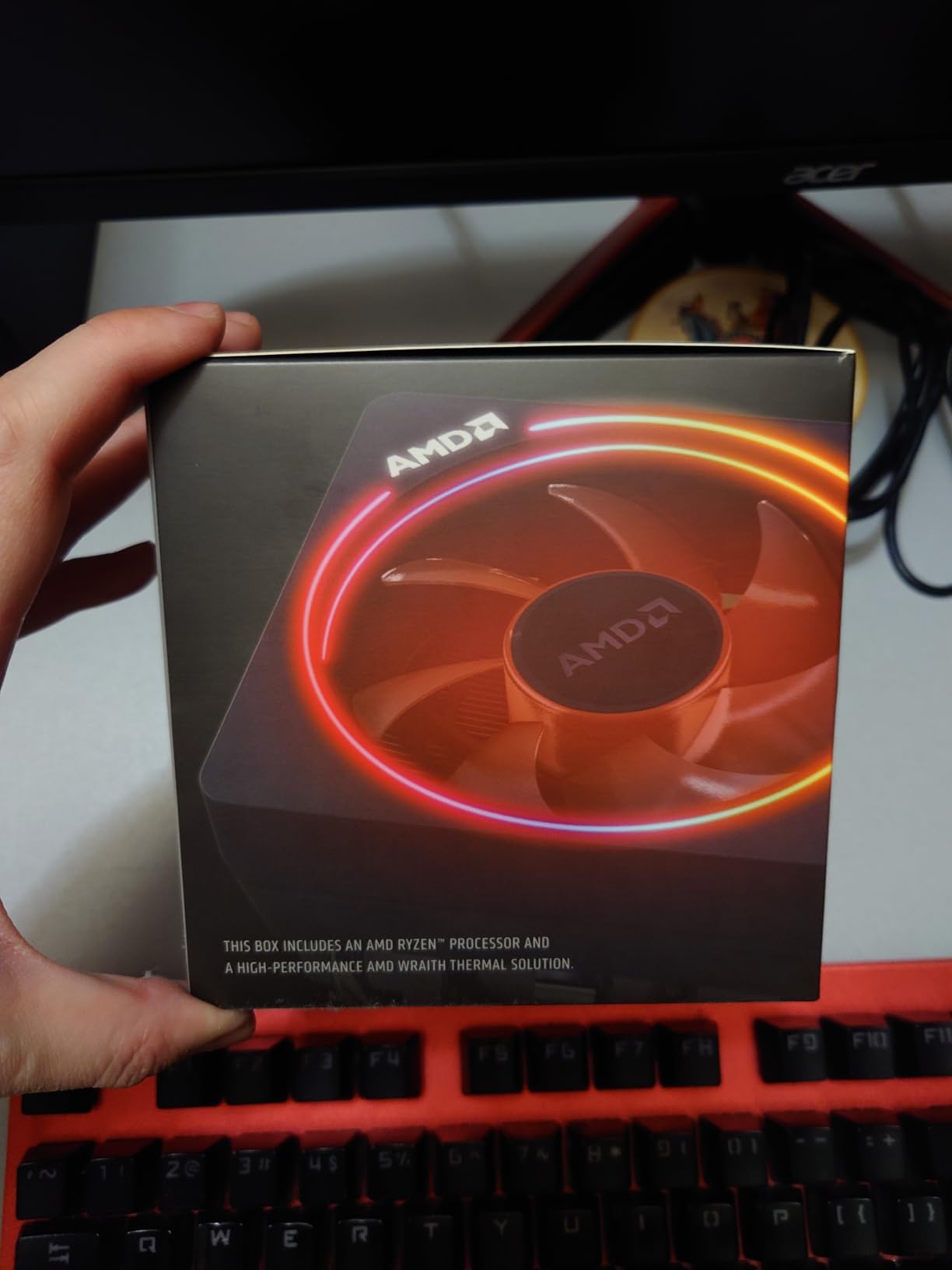

Best Prebuilt Gaming PC 2026 For Esports AAA And Streaming Gamer Org A Sleek Youtube Thumbnail Design With Bo Z5fskbADS9 PZy23Rqs Zg NA9Dn G 780x438 . ASUS ROG Showcase At CES 2026 Confirmed With New Gaming Gear Laptops 109228 43 Asus Rog Showcase At Ces 2026 Confirmed With New Gaming Gear Laptops And Future Technology Full . Best CPU For Gaming PC 2026 12 Processors Tested By Experts B0D6NNDQ92 Customer 1 . The Gaming PC You Need To Build For 2026. Best Gaming Streaming PC In 2026 High FPS Gaming PC Guru Best Gaming Pc For Under 500 Dollars Featured 800x500


Best CPU For Gaming 2026 Top Gaming Processor The Best CPU For Gaming In 2026 01 . Best Processors For Gaming In 2026 For Every Budget Technoid Gaming PC Building A Mid Range Gaming PC In 2026 Specs And Tips.webp. The Best Gaming PC Of 2026 Top Prebuilt Desktops Gaming Pc . Gaming Desktop PC Guide 2026 Build The Ultimate Gaming Setup 2 2 3 . Top 10 Best Processor For Gaming PC For 2026 Expert Picks Techzaru Product B0G1ZDN8NC


AMD Gained Consumer Desktop And Laptop CPU Market Share In 2024 Server . Best Gaming Processor 2026 AMD Vs Intel Comparison Complete Guide Cpu Gaming Intel. Rockstar S Hotly Anticipated GTA VI Delayed Dev Confirms Release Now . Best Gaming Desktop CPU In Kenya 2026 Buyer S Guide Value Hub Kenya Best Gaming Desktop Cpu .ke2 . Top 5 Best Gaming Desktops Of 2026 Best Product Review Best Gaming Desktops