For many veteran gamers, the 2017 Roblox menu isn't just a dated interface; it's a portal to a golden era of gaming on the platform. This guide dives deep into what made the 2017 Roblox menu distinctive, why it still resonates with a significant portion of the gaming community, and how its design philosophies subtly influenced subsequent iterations. Understanding the 2017 menu helps us appreciate the evolution of user experience on Roblox and gives context to current interface choices. Whether you are a long-time player driven by nostalgia, a content creator aiming to replicate classic aesthetics, or simply curious about Roblox's rich history, exploring this past menu provides valuable insights. We'll navigate its core features, discuss its impact on game discovery and player interaction, and even touch upon how busy adult gamers can still tap into that era's spirit amidst their modern gaming routines and limited playtimes. This informational exploration aims to be a navigational resource for those seeking to understand a pivotal moment in Roblox's UI development, offering a blend of historical context and practical insights for today's diverse player base.
What was the core appeal of the 2017 Roblox menu?
The core appeal of the 2017 Roblox menu stemmed from its straightforward, clean design and the sense of nostalgia it now evokes for many veteran players. It offered a less cluttered interface focused on direct game discovery through a prominent 'Games' page with tiled icons, fostering a feeling of simplicity and ease of navigation that predated the more complex, algorithm-driven feeds of today. For many, it represented a pivotal and fondly remembered era of Roblox's growth, balancing functionality with a distinct aesthetic.
How did the 2017 Roblox menu interface differ from current versions?
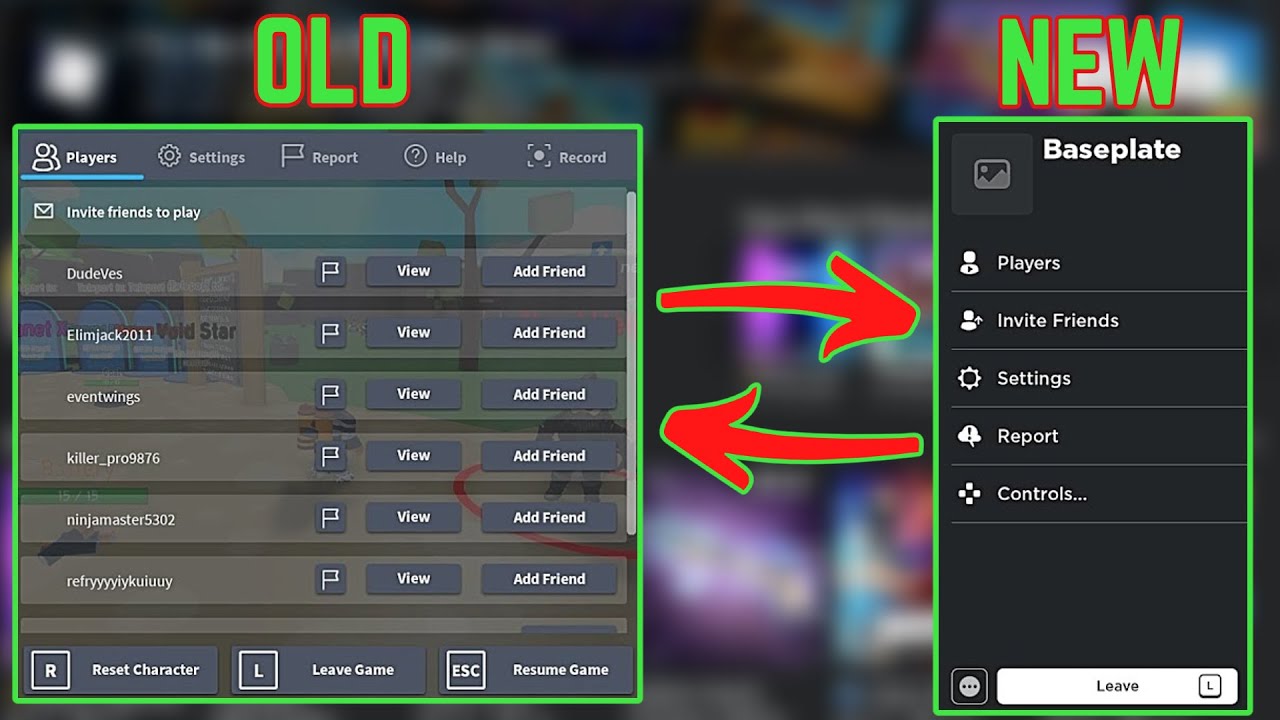
The 2017 Roblox menu notably differed from current versions through its predominantly white and blue color scheme, a concise top navigation bar, and a grid-based 'Games' page. Modern Roblox interfaces feature a darker aesthetic, expanded sidebars, and an algorithmically driven 'Discover' feed that personalizes game recommendations. The 2017 menu prioritized a clear, less dynamic overview, whereas newer versions focus on continuous content flow, enhanced social features, and a more immersive visual experience.
Is it possible to officially revert to the 2017 Roblox menu today?
No, it is not possible to officially revert to the 2017 Roblox menu today. Roblox enforces mandatory client updates across all users to maintain security, ensure compatibility, and provide a consistent feature set. Attempting to use outdated client versions can lead to technical issues, account security risks, or even violations of Roblox's terms of service. The platform continuously evolves, and its user interface changes are an integral part of that ongoing development.
Why do players feel nostalgic for the 2017 Roblox menu?
Players often feel nostalgic for the 2017 Roblox menu because it represents a specific, memorable period in their gaming history and the platform's evolution. This era coincided with the rise of many iconic games and formative social experiences for a generation of players. The simpler interface evokes memories of a time perceived as less complex, providing a comfortable, familiar digital environment that many busy adults now seek for relaxation and a brief escape from modern-day pressures.
What technical aspects characterized the 2017 Roblox menu?
Technically, the 2017 Roblox menu was characterized by its relatively lighter resource footprint compared to today's more feature-rich interfaces. Its simpler graphical elements and less dynamic content meant it often ran more efficiently on a wider range of hardware, including older PCs and mobile devices. This contributed to faster load times and smoother navigation within the client. While Roblox has continued to optimize its platform, the inherent simplicity of the 2017 design often translated into a more 'snappy' and less demanding user experience.
Where can I find resources or communities discussing the 2017 Roblox menu?
You can find extensive resources and communities discussing the 2017 Roblox menu across various online platforms. YouTube channels dedicated to Roblox history often feature archived gameplay and UI tours from that era. Subreddits like r/roblox and r/oldroblox frequently host discussions, screenshots, and videos related to past interfaces. Fan wikis and dedicated Discord servers also serve as excellent hubs for players interested in revisiting or learning about the platform's earlier iterations, fostering a shared sense of nostalgia and historical appreciation.
Did the 2017 Roblox menu offer unique customization options for players?
While the 2017 Roblox menu itself didn't offer extensive direct interface customization options, its overall clean aesthetic provided a consistent and recognizable user experience. Player customization was primarily focused on avatars and in-game content, rather than altering the menu's appearance. The appeal lay in its functional simplicity and visual consistency across the platform, allowing players to focus more on their avatar's unique look and the vast array of user-generated content available within games, rather than modifying the core UI elements.
Remember when gaming felt a little simpler? When navigating your favorite platforms was intuitive, and every click brought a wave of familiar comfort? For many US gamers, particularly those balancing demanding jobs and family life, revisiting these simpler times in games like Roblox can be a refreshing escape. We often seek out experiences that offer relaxation and fun without the overwhelming hype or complexity of modern titles. This often leads us back to beloved eras, like the period defined by the 2017 Roblox menu. This wasn't just any interface; it was a snapshot in time for a platform that continues to redefine online social gaming. Understanding the 2017 Roblox menu isn't merely a trip down memory lane; it's about appreciating the platform's evolution, understanding what drives player loyalty, and perhaps even finding insights that can enhance your current gaming experience or help you fix lingering performance issues.
Today, with over 87% of US gamers regularly dedicating 10+ hours a week to their passion, often across mobile and PC, we value seamless, enjoyable experiences. But sometimes, modern updates can feel overwhelming. This guide is crafted for you, the busy adult gamer, who values not just the present but also the rich history that shapes our favorite virtual worlds. Let's peel back the layers and explore the iconic 2017 Roblox menu, dissecting its features, enduring appeal, and what lessons it holds for us today, addressing those common pain points like understanding platform changes and finding value in past iterations.
What Defined the 2017 Roblox Menu Experience for Players?
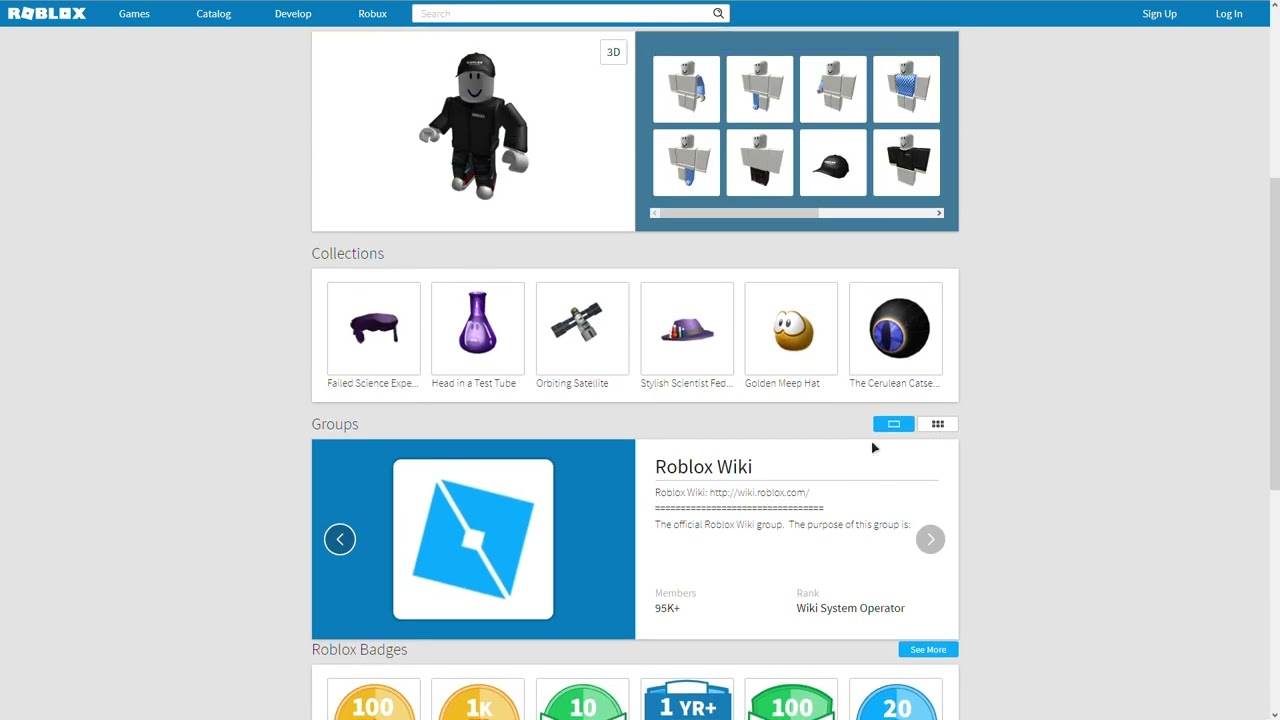
The 2017 Roblox menu was characterized by its clean, white aesthetic and a more streamlined approach to game discovery and social interaction. Unlike today's heavily personalized feeds, the 2017 Roblox menu presented a prominent 'Games' page with smaller, tiled icons, making it easy to see many experiences at once. It had a clear navigation bar at the top, typically featuring 'Games,' 'Catalog,' 'Develop,' and 'Robux' sections, alongside simpler 'Friends' and 'Messages' icons. This design felt less cluttered and more direct, fostering a sense of community where popular games often rose through organic play rather than complex algorithms. It was an era where the platform felt more focused on content and less on an endless scroll of personalized recommendations.
For many players, this interface represented a sweet spot in Roblox's growth. It had moved past its earliest, more rudimentary designs but hadn't yet embraced the complex, feature-rich dashboard we see today. The simplicity meant less visual noise, allowing players to focus more on the games themselves. This was particularly beneficial for users on less powerful hardware, ensuring a smoother experience without the heavy resource demands that can sometimes plague newer, graphically intensive UIs.
Why Do Gamers Still Seek Out the 2017 Roblox Menu Today?
The allure of the 2017 Roblox menu is primarily rooted in nostalgia. Many current adult gamers spent their formative years or pivotal gaming moments on Roblox during this period. The menu, therefore, represents a simpler time, free from current-day complexities and responsibilities. It evokes memories of discovering groundbreaking games like Jailbreak, Adopt Me!, or Phantom Forces when they were gaining traction, and the social bonds formed within those early communities. For those balancing work, family, and gaming, revisiting this aesthetic offers a moment of pure, unadulterated fun, a mental break that aligns with the desire for relaxation.
Beyond nostalgia, some players seek out the 2017 Roblox menu for functional reasons. Certain older community-created experiences might have been designed with that specific interface in mind, and while they might still function, they might feel more 'at home' visually with the older UI. Content creators also often look to older interfaces for authenticity when producing historical Roblox videos or trying to recreate an 'old school' vibe. It's a testament to how impactful user interface design can be, shaping not just how we interact but how we remember our digital worlds.
How Did the 2017 Roblox Menu Compare to Newer Versions?
The jump from the 2017 Roblox menu to today's interface represents a significant evolution in design philosophy and functionality. The 2017 menu was more utilitarian; it prioritized direct access and a clear overview of content. Newer versions, influenced by trends in social media and streaming platforms, emphasize personalization, dynamic content feeds, and robust social features. Today's menu is denser, offering more options for avatar customization, robust chat systems, and a complex 'Discover' page that learns from your play history.
Here's a quick comparison of key aspects:
- Game Discovery: 2017 had a tiled 'Games' page, often showing fewer but larger icons. Modern versions use algorithmic 'Discover' pages, featuring endless scrolls of personalized recommendations, genres, and sponsored content.
- Navigation: 2017's top bar was concise. Current UIs have expanded sidebars and additional sub-menus for things like 'Home,' 'Chat,' 'Avatar Shop,' 'Premium,' and 'Create,' reflecting the platform's growth beyond just playing games.
- Visual Aesthetic: The 2017 Roblox menu had a distinct white and blue palette, feeling clean and less graphically demanding. Modern Roblox has evolved towards a sleeker, darker, and more graphically rich design, integrating more animated elements and dynamic visuals.
- Performance: Generally, the 2017 menu, being simpler, was lighter on system resources. While Roblox has made strides in optimization, the sheer number of features and dynamic elements in the current UI can sometimes feel heavier, especially on older hardware or mobile devices, which are now dominant for 60% of US gamers.
Can You Still Access or Replicate the 2017 Roblox Menu Today?
Officially, no, you cannot directly access or revert to the 2017 Roblox menu. Roblox, like most modern online platforms, updates its client and user interface regularly, pushing mandatory updates to all users. This ensures security, feature parity, and a consistent experience across its vast global player base. Attempts to use old client versions can lead to compatibility issues, account bans, or security vulnerabilities, which are major pain points busy gamers want to avoid.
However, players can experience the aesthetic of the 2017 Roblox menu through indirect means:
- Archived Videos and Screenshots: YouTube channels and fan wikis dedicated to Roblox history often feature extensive footage and images of the 2017 interface. Watching these can evoke strong nostalgic feelings and help you understand the layout.
- Community Recreations: Some dedicated Roblox creators occasionally build experiences within the current Roblox engine that attempt to recreate the look and feel of older menus. While not perfect, these can offer a glimpse into the past.
- Browser Extensions (Use with Caution): A few unofficial browser extensions claim to modify the Roblox website's appearance to resemble older designs. However, using third-party modifications carries inherent risks, including potential security issues or violations of Roblox's Terms of Service. It's crucial to exercise extreme caution and research thoroughly before using any such tools.
What Were the Key Features of the 2017 Roblox Menu Interface?
The 2017 Roblox menu featured several key elements that distinguished it from both its predecessors and successors. At its core, it was about efficient navigation and clear content presentation. The primary navigation was handled by a simple, static bar at the top, which provided quick access to essential sections.
- The 'Games' Page: This was the heart of the experience, showcasing games in a grid format with smaller thumbnails, allowing players to quickly browse numerous options without excessive scrolling. Filters were present but less prominent than today.
- Simple Profile Pages: User profiles were cleaner, focusing on basic stats, friends lists, and owned items. There was less emphasis on elaborate profile customization compared to current versions.
- Integrated Chat and Messaging: Communication was straightforward, often accessed through a dedicated icon at the top. Group chats were functional, and private messaging was easy to use, fostering direct social interaction without overwhelming the UI.
- 'Develop' Section: Access to the Roblox Studio was clearly visible, encouraging user-generated content, a cornerstone of the platform's success. This demonstrated Roblox's commitment to empowering creators even then.
- Robux and Catalog Access: Monetization and avatar customization were integrated but not aggressively pushed. The Catalog was easy to navigate for purchasing items with Robux, providing value for money for players.
How Did the 2017 Menu Impact Player Interaction and Navigation?
The 2017 Roblox menu fostered a different kind of player interaction and navigation. Its less-is-more approach meant that discovery often came from word-of-mouth, friend recommendations, or simply browsing the 'front page' of games. This organic discovery could lead to deeper community bonds as players shared hidden gems. Navigation was straightforward, reducing the cognitive load on players, which is a significant advantage for busy adults looking for quick, stress-free gaming sessions.
The emphasis on the 'Games' page over a hyper-personalized 'Discover' feed meant that players were exposed to a broader range of titles, not just those filtered by an algorithm. This could sometimes lead to more diverse gaming experiences. The clear layout also minimized setup issues, as finding what you needed was rarely a chore. For gamers who enjoy social play, the direct access to friends lists and messaging made coordinating sessions easy, reinforcing the idea that Roblox is a social hub as much as it is a gaming platform.
Were There Performance Differences with the 2017 Roblox Menu?
Generally, yes, there were noticeable performance differences associated with the 2017 Roblox menu. Being a less feature-rich and graphically intensive interface compared to current versions, the 2017 client often ran smoother on a wider range of hardware. This was particularly beneficial for players with older PCs or those using integrated graphics, a common scenario for budget-conscious gamers or families sharing devices. Less processing power was diverted to rendering complex UI elements, allowing more resources for the actual game world.
This lighter footprint meant faster load times for the main menu and potentially less lag when switching between games or tabs. For many, this translated into a more consistent and reliable gaming experience, free from the occasional hitches that more modern, dynamic interfaces can introduce. While Roblox has continuously optimized its current client, the inherent simplicity of the 2017 Roblox menu often meant a more 'snappy' feel, a quality that many gamers still appreciate when considering performance optimization.
What Games Thrived Under the 2017 Roblox Menu Era?
The 2017 Roblox menu era was a period of explosive growth for several iconic games that became household names within the Roblox community. The interface, with its straightforward game discovery, helped propel titles that offered innovative gameplay, strong social elements, or engaging role-playing experiences. Games like 'Jailbreak' were hitting their stride, offering open-world crime and police pursuits that captivated millions. 'Adopt Me!' was beginning its ascent as a massively popular pet simulation and role-playing game.
Other notable mentions include 'Phantom Forces,' a highly polished first-person shooter that demonstrated Roblox's capability for competitive play, and various 'Tycoon' and 'Obby' games that offered endless replayability. The simplicity of the 2017 Roblox menu meant that these games, often developed by young creators, could shine without being buried under layers of complex discovery algorithms. It was a time when strong gameplay and community engagement were often the primary drivers of success, rather than sophisticated marketing or UI manipulation.
Tips for a Nostalgic Roblox Experience with Modern Tools
While you can't fully revert to the 2017 Roblox menu, you can still infuse your modern Roblox experience with a dose of that classic nostalgia. Here are some tips:
- Revisit Older Games: Many games created around 2017 or earlier are still active or accessible. Seek out titles that were popular during that era and see how they've held up.
- Filter by 'Oldest' or 'Most Visited (All Time)': In the modern Roblox game discovery, sometimes sorting by these less common filters can unearth older gems that might echo the 2017 aesthetic.
- Engage with Retro Communities: Join Discord servers or Reddit communities dedicated to 'Old Roblox' or 'Roblox History.' These communities often share screenshots, videos, and discussions that perfectly capture the 2017 vibe.
- Adjust Graphics Settings: Sometimes, lowering your in-game graphics settings can create a simpler, less demanding visual style reminiscent of how Roblox might have run on typical hardware in 2017, improving performance on a budget.
- Curate Your Friends List: Focus on connecting with a core group of friends, just like in the simpler social days of 2017. Organize play sessions and communicate directly, mirroring that classic social play.
How to Balance Roblox Gaming with Your Busy Adult Life?
For many adult gamers, finding time for passions like Roblox is a delicate balance. The good news is, Roblox is incredibly flexible. Here's how to make it work:
- Embrace Short Sessions: Roblox games often have quick rounds or easily paused gameplay. A 30-minute session before dinner or after the kids are asleep can be incredibly satisfying.
- Prioritize Social Play: Use Roblox as a way to connect with friends. Scheduling a weekly game night is a great way to ensure dedicated gaming time and build social bonds.
- Explore Cozy Games: Look for less competitive, more relaxing games that don't demand intense focus. Building, decorating, or simple adventure games can be perfect for unwinding.
- Budget Your Time and Money: Decide upfront how much time you can realistically dedicate and set limits on in-game purchases. Roblox's free-to-play nature makes this easier, but premium items can add up.
- Use Mobile Gaming: With mobile dominance in US gaming, Roblox on your phone or tablet allows you to grab quick gaming moments during commutes or short breaks, fitting gaming into your life seamlessly.
The 2017 Roblox menu might be a thing of the past, but its legacy lives on in the memories of millions of players and in the foundational design principles that continue to evolve Roblox. Whether you're chasing nostalgia, seeking performance insights, or simply appreciating how far the platform has come, understanding this pivotal era enriches your overall gaming experience. It reminds us that sometimes, simplicity truly is key to lasting appeal.
What's your biggest gaming challenge balancing life and play? Comment below and share your tips!
FAQ Section
Q: What did the 2017 Roblox menu look like?
A: The 2017 Roblox menu featured a clean, predominantly white and blue interface with a prominent 'Games' page displaying tiled game icons. It had a streamlined top navigation bar for core sections like Games, Catalog, Develop, and Robux, emphasizing simplicity and direct access.
Q: Why is the 2017 Roblox menu considered nostalgic?
A: It's nostalgic because it represents a specific, beloved era for many players, particularly those who grew up with Roblox. The interface is associated with early experiences, key game releases, and a perceived simpler time on the platform, evoking fond memories.
Q: Can I get the 2017 Roblox menu back on my account?
A: No, Roblox does not officially support reverting to older UI versions. All users receive mandatory client updates to ensure security, compatibility, and access to the latest features. Attempting unofficial methods can be risky.
Q: How has Roblox's menu changed since 2017?
A: Since 2017, Roblox's menu has evolved significantly, shifting towards more personalized discovery feeds, a darker aesthetic, expanded social features, and a more complex navigation structure with a prominent sidebar, reflecting broader trends in platform growth and user engagement.
Q: Were there performance benefits to the 2017 Roblox menu?
A: Generally, yes. The 2017 Roblox menu, being less graphically intensive and feature-rich, often ran with a lighter footprint on system resources, potentially leading to faster load times and smoother navigation, especially on older or less powerful hardware.
Q: Where can I see videos or images of the 2017 Roblox menu?
A: You can find numerous videos and screenshots of the 2017 Roblox menu on YouTube channels dedicated to Roblox history, fan-run wikis, and archival gaming communities on platforms like Reddit. These resources help preserve and showcase the platform's past interfaces.
Nostalgia for classic Roblox UI, Understanding past platform features, Historical context of Roblox interface, Menu evolution, Legacy gameplay experience, Performance considerations of old UI, Community fascination with 2017 Roblox.
35


ROBLOX JUST ADDED A NEW MENU UPDATE YouTube . LETS GET THE ROBLOX LOGO R Roblox Roblox Changed The Main Menu On The Xbox Version V0 . New Roblox Menu Settings Update Roblox Menu Developer Console YouTube . Roblox 2024 Robloxbeww Min . US Roblox Mod Menu 2 703 1353 Unlimited Robux Roblox Mod Apk 2026 Mqdefault




100 Unofficial Roblox Annual 2026 Brand New For 2025 The Iconic SL1500 . ROBLOX UPDATED THE MENU How To Get YouTube Hqdefault . US Roblox Mod Menu 2 703 1353 Unlimited Robux Roblox Mod Apk 2026 Mqdefault . Roblox Modern Main Menu Credits Update Page Animations . 2017 Halloween Roblox Front Page R Roblox



How To PM On Roblox Your 2026 Guide To Direct Messaging Dc16406f 9d07 44f6 B2a3. What Is The Menu Button In Roblox At Hamish Mitford Blog . Roblox Marketplace Hub Roblox UI GUI Elements Payhip O . How To Get Back OLD NEW Menu In Roblox Easy YouTube . Baixar APK De Roblox Mod Menu Para Android Ltima Vers O Screen 0



Roblox Xbox Menu 2018 Restored YouTube . Roblox In 2017 YouTube . How To Make A Main Menu In Roblox Studio Roblox Main Menu YouTube . Roblox 2015 Menu UI In 2025 Using Bloxstrap READ DESCRIPTION YouTube . How To Get The Old Roblox Menu Back YouTube


How To Get New Roblox Menu 2024 Best Updated Guide Roblox Menu 2024 . What S With The Roblox Menu Game Design Support Developer Forum 2 690x388 . Main Menu Roblox Studio Code Language . Menu Roblox . Menu Roblox


FREE Shop Menu Scripted Roblox UI For Games O . Behind The Roblox Main Menu Xbox One Edition In Roblox ITS A CLASSIC . I Ve Gotten The 2016 Roblox Webpage Back R Roblox . Menu Roblox Latest. Roblox 180DAY



Menu ROBLOX Wikia Fandom Powered By Wikia Latest. Unlocking Roblox S Advanced Options Is Easy Right 1200x1769 . How To Update Roblox In 2026 Fix Error Code 280 On PC Mobile Xbox Roblox Update It.webp. ROBLOX UPDATED THE MENU AGAIN How To Get YouTube . How To Make A Main Menu Gui In Roblox Studio 2023 YouTube