Navigating the world of online multiplayer gaming can feel like deciphering a secret code of costs, especially for busy adults balancing work, family, and personal finances. Many wonder, 'is multiplayer gaming expensive?' This comprehensive guide is designed for the modern US gamer who values relaxation, skill-building, social connections, and value for money, but often faces pain points like unexpected subscription fees, costly hardware upgrades, or the pervasive influence of in-game purchases. We'll cut through the hype to provide clear, actionable insights into managing gaming expenses in 2026, helping you optimize your experience without breaking the bank. Discover how to identify true costs, leverage free-to-play options, make smart hardware decisions, and ensure your passion for gaming remains a source of joy, not financial stress. From console subscriptions to microtransactions, we address every facet of multiplayer gaming's financial landscape.
How much does multiplayer gaming cost per month?
The monthly cost of multiplayer gaming varies significantly based on your platform and preferences. For console gamers, mandatory subscriptions like PlayStation Plus Essential or Xbox Game Pass Core typically run between $8 and $12 per month, essential for online play. PC gamers generally avoid these base fees. Beyond subscriptions, consider your internet bill, which is a fixed cost but essential for online gaming. For individual games, you might pay anywhere from $0 (for free-to-play titles) to $70+ for new releases. If you factor in optional microtransactions or battle passes, your monthly spending can increase substantially.
What are the cheapest ways to play multiplayer games?
The cheapest ways to enjoy multiplayer gaming primarily involve leveraging free-to-play (F2P) titles and utilizing existing hardware. Platforms like PC, mobile, and even consoles offer a vast library of F2P games such as Fortnite, Apex Legends, Valorant, and Warzone, which provide full multiplayer experiences without an upfront purchase. Additionally, consider games included with subscription services (e.g., PlayStation Plus Extra, Xbox Game Pass Ultimate) if you already pay for them, as they offer extensive game libraries. Opting for older, discounted games or playing with friends who own a game and utilize family sharing features (where available) can also significantly cut costs.
Do I need a subscription for every online game?
No, you do not need a subscription for every online game, but it largely depends on your gaming platform. On consoles like PlayStation, Xbox, and Nintendo Switch, a platform-specific online subscription (e.g., PS Plus Essential, Xbox Game Pass Core, Nintendo Switch Online) is generally required to play most paid games online. However, many free-to-play titles on consoles often waive this requirement. For PC gamers, an overarching platform subscription for online play is typically not needed; you usually only pay for the game itself or subscribe to specific game-launcher services if desired.
Are free multiplayer games good value?
Absolutely, free multiplayer games offer tremendous value, often providing hundreds, if not thousands, of hours of entertainment without an initial purchase. Titles like Fortnite, Apex Legends, League of Legends, and Valorant boast massive player bases, competitive esports scenes, and continuous content updates. While they typically feature in-game purchases (microtransactions) for cosmetics or battle passes, these are almost always optional and do not impact core gameplay fairness. For gamers on a budget or those looking to try out different genres, F2P games are an excellent way to engage in high-quality multiplayer experiences and connect with friends.
How do microtransactions add to gaming expense?
Microtransactions add to gaming expense by offering optional in-game purchases for cosmetic items, character skins, emotes, battle passes, or convenience features. While usually not mandatory for gameplay progression, their enticing nature and psychological design can lead players to spend significant amounts beyond the game's initial cost, particularly in free-to-play titles where they are the primary revenue stream. For instance, a battle pass might cost $10-$20 every few months, and individual cosmetic bundles can range from a few dollars to $20+. Unchecked spending on microtransactions can quickly inflate the true cost of a seemingly 'free' or inexpensive game.
How can I balance my multiplayer gaming hobby with real-life expenses?
Balancing multiplayer gaming with real-life expenses involves strategic budgeting and mindful consumption. First, track your gaming-related spending for a month, including subscriptions, game purchases, and microtransactions. Set a realistic monthly gaming budget and stick to it. Prioritize free-to-play games and utilize existing subscription services that offer game libraries. Look for sales on new titles and console subscriptions. Consider hardware upgrades only when truly necessary and research cost-effective options. Remember, gaming is a form of entertainment; treat it like any other discretionary expense, ensuring it brings joy without causing financial stress.
What are the best value multiplayer games for busy adults in 2026?
For busy adults in 2026 seeking value, look for multiplayer games that offer robust experiences without demanding excessive time or money. Free-to-play titles like Apex Legends, Fortnite, and Call of Duty: Warzone are excellent as they require no upfront cost and allow flexible play sessions. Games included with subscription services such as Xbox Game Pass or PlayStation Plus (e.g., Sea of Thieves, Rocket League, various co-op indies) offer immense value. Also, consider co-op games that can be enjoyed in shorter bursts with friends, like Helldivers 2 or Lethal Company. The key is finding titles with engaging gameplay loops that respect your limited time and don't pressure you into constant spending.
For many of us, gaming isn't just a hobby; it's a vital escape, a way to unwind after a long day, connect with friends, or even build new skills. But let's be honest, in 2026, the question 'is multiplayer gaming expensive?' looms large. As adults balancing careers, families, and everyday expenses, we want to enjoy our favorite online worlds without constantly worrying about the bill. You're not alone in this thought; with 87% of US gamers regularly diving into virtual experiences, often for 10 or more hours a week, the cumulative cost can quietly creep up. This article is your straightforward guide to navigating the real financial landscape of multiplayer gaming, offering practical solutions and insights to help you get the most fun for your dollar. We'll explore everything from console subscriptions to those sneaky in-game purchases, ensuring you can keep your gaming life vibrant and your wallet happy.
We know you value relaxation, fun, and connecting with your squad online. You're looking for performance optimization without buying the latest gadget every month, and you certainly don't want hype; you want value. From understanding why your internet bill might matter more than you think to identifying genuinely budget-friendly games, we're here to help you make informed decisions. Let's break down the costs, debunk some myths, and equip you with the knowledge to enjoy a rich, social multiplayer gaming experience that fits perfectly into your busy life.
Is Multiplayer Gaming Truly Expensive in 2026?
The straightforward answer is: it can be, but it doesn't have to be. The perception of whether multiplayer gaming is expensive depends heavily on your platform, game choices, and spending habits. While the initial investment in a console or PC can be significant, ongoing costs vary widely. For instance, console players often face mandatory subscription fees for online play, such as Xbox Game Pass Core, PlayStation Plus Essential, or Nintendo Switch Online, which typically range from $8 to $12 a month. PC gamers usually avoid these baseline fees but might invest more in powerful hardware or premium online services for specific games. However, with the rise of genuinely free-to-play titles across all platforms and strategic budget management, a rich multiplayer experience is accessible at almost any price point.
What Are the Core Costs Associated with Online Multiplayer Gaming?
Beyond the price tag of the game itself, several core expenses contribute to the overall cost of online multiplayer gaming. These include platform-specific online subscriptions, the necessary investment in reliable high-speed internet, and potential hardware costs like controllers, headsets, or upgrades to your PC components. Additionally, many modern games, especially free-to-play titles, rely heavily on microtransactions, battle passes, and cosmetic purchases to generate revenue. These optional, but often enticing, in-game purchases can quickly inflate your total spending if not managed carefully. Understanding these distinct categories of expenditure is the first step toward smart budgeting.
How Do Console Subscriptions (Xbox, PlayStation, Nintendo) Affect the Price?
Console subscriptions are often the most noticeable ongoing cost for multiplayer enthusiasts. Xbox Game Pass Core (formerly Xbox Live Gold), PlayStation Plus Essential, and Nintendo Switch Online are prerequisites for playing most paid games online on their respective platforms. These services offer more than just online access; they typically include a selection of free monthly games, exclusive discounts, and cloud saves. While beneficial, these fees add up over a year, roughly $60-$80 annually per platform. Smart gamers often wait for sales on yearly subscriptions or opt for higher tiers like Xbox Game Pass Ultimate or PlayStation Plus Extra/Premium, which offer extensive game libraries that can reduce the need to buy individual games, potentially saving money in the long run.
Are Free-to-Play Multiplayer Games Really Free?
Many highly popular multiplayer games like Fortnite, Apex Legends, Valorant, and Call of Duty: Warzone are
Understanding if multiplayer gaming is expensive involves more than just game prices. Key highlights include the impact of mandatory console subscriptions (Xbox Game Pass Core, PlayStation Plus Essential, Nintendo Switch Online), the 'free-to-play' model's hidden microtransaction costs, the ongoing need for reliable internet, and the potential for hardware upgrade cycles. Budget-friendly strategies include leveraging free games, waiting for sales, optimizing existing hardware, and carefully managing in-game spending. Social gaming remains a significant trend, with over 87% of US gamers engaging regularly and averaging 10+ hours per week, often seeking community in games and platforms like Discord. This guide aims to empower gamers to enjoy their hobby without financial strain, offering practical advice for balancing passion with real-life responsibilities.
35



Multiplayer Game Development Cost In 2026 Real Numbers Hidden Costs Cs1.webp. Wccftech S Most Anticipated Multiplayer Games Of 2026 New Online Worlds Most Anticipated Multiplayer Games Of 2026 Scaled . 19 Best Multiplayer Games 2026 Top Picks For Epic Gaming Sessions Featured Image O6i8vnd8 300x210 . Top 10 Most Anticipated Games Of 2026 What To Watch Out For TVN GAMES IN 2026 . Humble Multiplayer Madness 2026 Indie Game Bundles

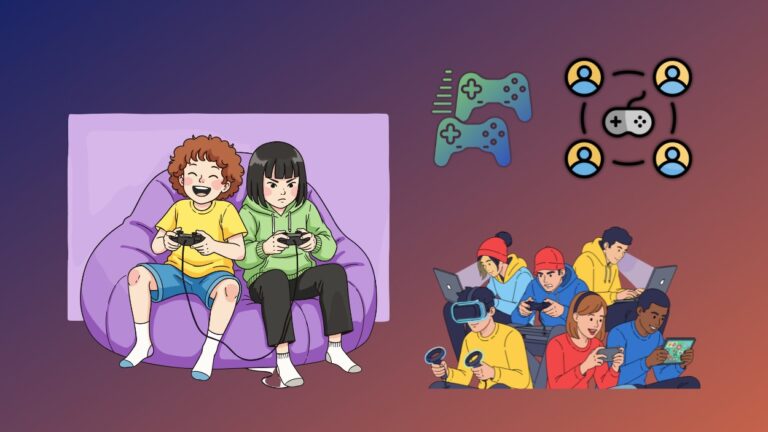
Multiplayer Gaming Statistics 2026 Growth You Can T Ignore TechRT Multiplayer Gaming Share In Total Gaming Time . Game Development Cost In 2026 Budget Factors Pricing Guide Game2026 . How Much Does It Cost To Make A Multiplayer Game RisingMax. How Much Does Mobile Game Development Cost In 2026 Complete Breakdown How Much Does Mobile Game Development Cost In 2025 Complete Breakdown By Type Features 01 768x403 . Multiplayer Gaming Statistics 2026 Growth You Can T Ignore TechRT Multiplayer Gaming Statistics 768x432


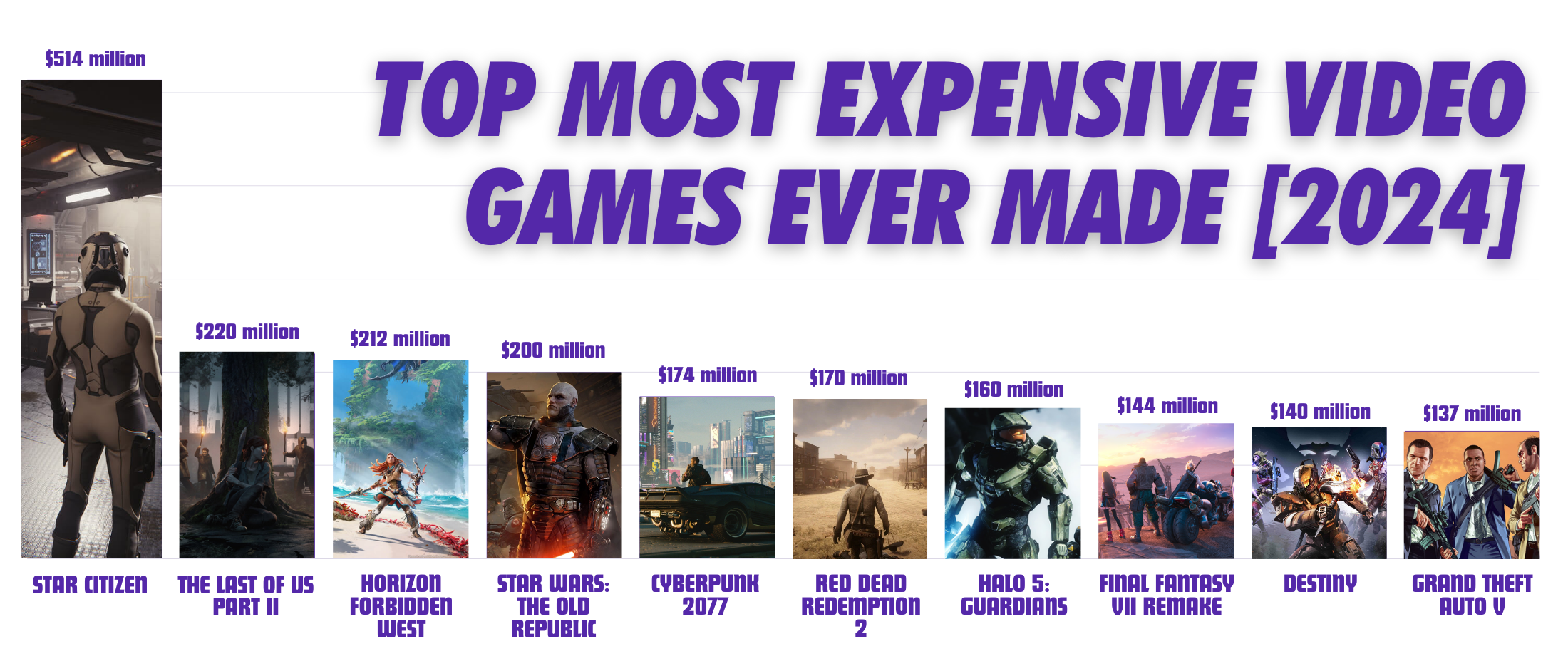

10 Best Multiplayer Games On Roblox June 2026 Gaming Net Murder Mystery 2 . 15 Multiplayer Games Under 10 Best Budget Co Op Picks With 50 Hours Best Budget Multiplayer Games 2026.webp. Top Most Expensive Video Games Ever Made 2024 145 Diagram . New Multiplayer Esports Games Dominating 2026 New Multiplayer Games Taking The Esports Scene By Storm In 2026 1024x575 . Multiplayer Game Development Cost In 2026 BR Softech Multiplayer Mobile Game Development Cost.webp
Multiplayer Game Development Cost In 2026 BR Softech Multiplayer Game. Why Modern Multiplayer Games Feel More Tiring Than Fun Desinema Why Modern Multiplayer Games Feel More Tiring Than Fun . Best Online Multiplayer Games 2026 Play Free With Friends Best Online Multiplayer Games 2026.webp. Top 10 MULTIPLAYER GAMES That Will DOMINATE 2025 2026 YouTube . Most Expensive Gaming PCs In The World Vs What 2 Lakh Gets You In


Top 15 Game Multiplayer Ringan Android IOS Terbaik 2026 Game . Best Gaming PC Builds For GTA 5 1080p 4K Most Expensive Gaming PCs Of 2023 1024x576 . Planned Multiplayer And F2P Video Games Releases By Platform 2026 Statista 1483900 Blank 355 . Massive Multiplayer Online Role Playing Game MMORPG Market To Grow By Global Massive Multiplayer Online Role Playing Game MMORPG Market Infographic . 12 Best Multiplayer Games To Play With Friends In 2026 The Best Multiplayer Games 2025 1 1024x574



Is There Hope For Multiplayer Gaming In 2026 Rantable Rantable Is There Hope Site . How Much For A PC Gaming Setup Cost Top 3 Gaming Laptops Of 2026 - The Ultimate Guide . Why Choosing The Right Multiplayer Game Engine Matters In 2026 Multiplayer Game Engine 600x600 . Top 10 Most Expensive Car In Car Parking Multiplayer 2026 Most Expensive Car In Car Parking Multiplayer MOD APK.webp. Top Multiplayer Games With Friendly Communities In 2026 LevelUpTalk Multiplayer Gaming Community 02 03 2026 A588b685 5329 40ed 9249




Latest GTA VI Delay Will Cost Gaming Business 2 7 Billion In 2025 Games 2025 Chart PR . The World S Most Expensive Gaming PC A Deep Dive Into Ultra Luxury Airtable 1.webp. Best Multiplayer VR Games 2026 Guide . Unreal Engine Game Development Cost 2026 Juego Studios 01 Banner Partnering For Success True Unreal Engine Game Development Cost In 2025.webp. Steam Users Dealt A Major Blow As PC Gaming Could Become Too Expensive Steam Users Dealt A Major Blow As PC Gaming Could Become Too Expensive In 2026 Report Says